Low-Environmental-Impact Building Cleaning: A South Florida Guide
Discover what low-environmental-impact building cleaning is and how it benefits South Florida's ecosystems. Make safer choices today!
TL; DR:
- Low-environmental-impact building cleaning uses safer chemicals and methods to protect health and the environment.
- Certified products and drone-based methods significantly reduce chemical runoff and greenhouse gas emissions.
Low-environmental-impact building cleaning is the practice of selecting safer cleaning chemicals and using methods that minimize harm to human health and the environment during cleaning operations. The US EPA notes that standard cleaning products can present real health and environmental concerns, with chemical releases occurring through evaporation and drain rinsing during normal use. For building managers overseeing high-rises in Miami-Dade, Broward, and Palm Beach counties, this is not an abstract concept. South Florida’s coastal ecosystems, strict local environmental policies, and dense urban development make greener cleaning a practical necessity, not just a marketing preference. The industry term for this approach is “green cleaning, ” and it covers everything from certified product selection to pure water exterior systems.
What is low-environmental-impact building cleaning, and why does it matter?
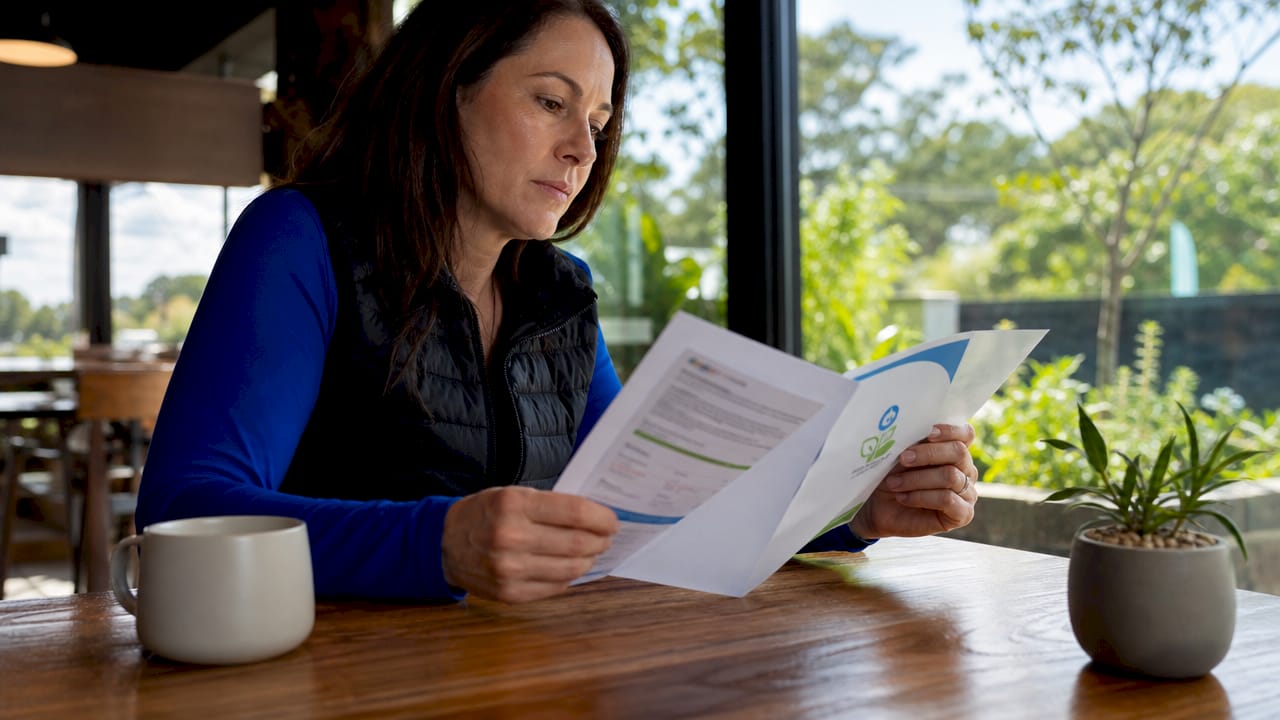
Green cleaning is defined by two pillars: what you use and how you use it. The EPA Safer Choice program certifies products whose ingredients meet strict standards for both human safety and environmental performance. The Design for the Environment (DfE) label serves the same function, giving building managers a reliable way to identify products that have been independently verified rather than self-marketed as “eco-friendly.”
The distinction matters because greenwashing is widespread in the cleaning industry. A product labeled “natural” or “biodegradable” carries no regulatory weight without a recognized certification. EPA Safer Choice and DfE labels cut through that noise. They confirm that every ingredient in a product has been evaluated for toxicity, persistence in the environment, and potential to bioaccumulate.
For commercial properties in South Florida, certified product selection also connects directly to green building ratings. LEED-certified buildings and properties pursuing BOMA 360 recognition benefit from documented use of verified safer products. That documentation starts at procurement.
Key criteria for certified greener cleaning products
- EPA Safer Choice label: Confirms all ingredients meet safety thresholds for human health and aquatic toxicity.
- Design for the Environment (DfE) certification: Signals that formulations avoid chemicals of concern, including carcinogens and reproductive toxins.
- Phosphate-free formulas: Phosphates accelerate algae growth in Florida’s waterways. Phosphate-free products are a baseline requirement for responsible exterior cleaning near Biscayne Bay or the Intracoastal Waterway.
- Concentrated formulas: Reduce packaging waste and lower the volume of chemical shipped and stored on site.
- Fragrance-free or low-VOC options: Protect custodial workers from respiratory exposure during interior and enclosed-space cleaning.
Pro Tip: Request Safety Data Sheets (SDS) and certification documentation from every vendor before signing a cleaning contract. A legitimate green cleaning vendor provides both without hesitation.
How do operational practices affect environmental impact?

Product choice alone does not determine a cleaning program’s environmental footprint. Chemical management systems and staff training are what actually control how much of a product enters the environment through evaporation or rinse-down. A certified product used at the wrong dilution, or applied more frequently than conditions require, still generates unnecessary chemical load.
The following operational controls define a genuinely low-impact cleaning program:
- Dilution control systems: Dispensing equipment that measures concentrate precisely eliminates over-dilution and under-dilution. Both errors waste product and increase environmental release.
- Cleaning frequency calibration: Industry floor care guidance recommends aligning cleaning schedules to actual soil load and foot traffic rather than fixed daily routines. Over-cleaning increases chemical use, moisture exposure, and surface wear without improving cleanliness.
- Microfiber tools: Microfiber mops and cloths remove contaminants mechanically, reducing the volume of cleaning solution needed per square foot by a measurable margin compared to conventional cotton mops.
- Controlled damp cleaning: Excess moisture on floors and surfaces increases slip risk, promotes mold growth in South Florida’s humid climate, and extends drying time, which prolongs chemical off-gassing indoors.
- Staff training on chemical handling: Workers who understand dilution ratios, application methods, and disposal procedures prevent the accidental releases that undermine even the best product choices.
A 2025 MDPI life-cycle assessment found that concentrated products and optimized protocols drive the largest reductions in greenhouse gas emissions, not product swaps alone. That finding reframes how building managers should think about green cleaning budgets: training and equipment often deliver more environmental return than switching to a premium certified product without changing how it is applied.
Pro Tip: Audit your current cleaning frequency against actual building traffic data. Most commercial properties in Miami-Dade clean common areas more often than soil conditions require, which inflates chemical use and labor costs simultaneously.
What are the best low-impact cleaning methods for high-rise exteriors?
High-rise exterior cleaning in South Florida presents a specific challenge: the building faces salt air, humidity, biological growth, and urban particulate, while sitting near sensitive coastal waterways. The methods that work best minimize chemical runoff and reduce the physical risk to workers.
Pure water cleaning systems represent the most significant shift in exterior cleaning practice over the past decade. These systems filter water through reverse osmosis and deionization to remove dissolved solids, producing water so pure it acts as a solvent on its own. No detergent is added. The filtered water lifts mineral deposits, salt residue, and biological film from glass and facade surfaces, then evaporates without leaving streaks or chemical residue.
The environmental benefits of pure water exterior cleaning are direct: zero chemical runoff into storm drains, no phosphate or surfactant load entering Biscayne Bay or the New River, and no VOC off-gassing near building occupants or street-level pedestrians. For buildings pursuing LEED Operations and Maintenance credits or BOMA 360 status, pure water cleaning provides documented chemical-free exterior maintenance.
Drone-enabled exterior cleaning for South Florida high-rises
Drone cleaning technology takes the pure water method further by removing the need for scaffolding, boom lifts, or rope access. Vistadronecleaning operates FAA Part 107-certified pilots using tethered industrial drones, including the Lucid Bots Sherpa, to deliver pure de-ionized water directly to building facades, windows, and rooftop surfaces up to 200 feet tall. Crews remain on the ground throughout the operation.
| Method | Chemical use | Worker risk | Runoff risk | Suited for South Florida high-rises |
|---|---|---|---|---|
| Traditional pressure washing | High (detergents) | High (rope/scaffold) | High | Limited |
| Soft-wash with biodegradable agents | Low to moderate | Moderate | Low to moderate | Yes |
| Pure water (ground-fed) | None | Moderate | None | Yes, up to mid-rise |
| Drone pure water cleaning | None | Minimal (ground crew) | None | Yes, up to 200 ft |
- No road closures or permits required for drone operations in most South Florida commercial zones.
- Biodegradable, phosphate-free detergents are used when soft-wash is required for heavy biological growth on roofs or EIFS facades.
- Eco-friendly facade cleaning methods align with Miami-Dade and Broward environmental compliance requirements for chemical discharge near waterways.
- Most Vistadronecleaning projects complete in 1–3 days, reducing the duration of any operational disruption to tenants and building staff.
What are the measurable benefits of green cleaning for building management?
The environmental case for low-impact cleaning is now quantified. A 2025 MDPI life-cycle assessment found that green cleaning protocols reduce global warming potential by 49.6% to 53.3% compared to conventional cleaning programs. Pilot sites recorded annual prevention of 488 kg of CO2 equivalent emissions and an 83% reduction in chemical emissions. Those numbers reflect what happens when certified products, concentrated formulas, and optimized protocols work together as a system.
“Choosing less hazardous cleaning chemicals reduces water pollution, improves indoor air quality, and protects custodial worker health.”, King County Sustainable Purchasing Guide for Janitorial Products
Worker health is a benefit that building managers often undercount. Custodial staff in commercial high-rises face repeated daily exposure to cleaning chemicals. Less toxic chemical use directly lowers that exposure, reducing respiratory complaints, skin sensitization, and long-term occupational health liability. In South Florida’s competitive commercial real estate market, buildings with documented green cleaning programs also attract tenants who prioritize ESG reporting and corporate sustainability commitments.
The operational benefits compound over time. Lower chemical volume means lower procurement costs. Reduced cleaning frequency, calibrated to actual conditions, cuts labor hours. Pure water exterior systems eliminate the cost of detergent entirely for window and facade maintenance.
How do you implement a low-impact cleaning program in South Florida?
Building managers who want to move from conventional to green cleaning need a structured approach. Ad hoc product swaps without protocol changes produce limited results, as the 2025 MDPI research confirms.
- Vendor selection: Require EPA Safer Choice or DfE certification documentation for all chemical products. For exterior cleaning, prioritize vendors with documented experience in pure water and drone-based methods. Vistadronecleaning provides free quotes within 24 hours and carries $2M liability insurance, which simplifies the procurement and risk management process for South Florida properties.
- Chemical inventory audit: Map every product currently in use against its SDS. Identify which products lack certification and set a replacement timeline.
- Training program: Require documented dilution control and chemical handling training for all custodial staff before any new product is introduced. Chemical management training is the single most effective control for reducing environmental release during normal operations.
- Protocol review: Evaluate cleaning frequency for every surface type against actual traffic and soil data. Reduce schedules where over-cleaning is occurring.
- Environmental monitoring: Track chemical consumption, water use, and waste generation quarterly. Report against baseline to demonstrate progress to ownership, tenants, and local regulators.
- Sustainable cleaning tips specific to commercial and high-rise properties in South Florida are available as a reference for building managers building out their first green cleaning specification.
Pro Tip: Start your implementation with exterior cleaning. Pure water and drone methods require no chemical procurement changes and deliver immediate, visible results that build internal support for the broader program.
Key takeaways
Low-environmental-impact building cleaning delivers the greatest results when certified products, trained staff, and efficient delivery methods operate together as a system rather than as isolated changes.
| Point | Details |
|---|---|
| Certification is the baseline | Use only EPA Safer Choice or DfE-certified products to avoid greenwashing and verify ingredient safety. |
| Operations matter as much as products | Dilution control, frequency calibration, and staff training reduce environmental release beyond what product choice alone achieves. |
| Pure water systems eliminate chemical runoff | Filtered deionized water cleans glass and facades without detergents, protecting South Florida’s coastal waterways. |
| Drone cleaning reduces risk and footprint | Ground-based drone operations remove scaffold and lift requirements, cutting both worker risk and operational disruption. |
| Green cleaning has measurable ROI | A 2025 MDPI study found up to 53.3% reduction in global warming potential from green cleaning protocols versus conventional methods. |
Why technology and certification have to work together
I have watched building managers in Miami and Fort Lauderdale make the same mistake repeatedly: they switch to a certified product and call it a green cleaning program. The product change is real, but the impact is marginal if the dilution is wrong, the frequency is unchanged, and the exterior is still being blasted with detergent-laden pressure washing that drains straight into the storm system.
The shift that actually moves the needle is combining certified chemistry with a delivery method that reduces or eliminates chemical use entirely. Pure water drone cleaning is the clearest example of that combination working at scale. When Vistadronecleaning cleans a Brickell high-rise with de-ionized water and a tethered drone, there is no chemical entering the building’s drainage system, no scaffold blocking the sidewalk, and no rope access crew creating liability exposure. The environmental footprint of that operation is genuinely minimal, not just marketed as such.
The certification side matters too, because it creates accountability. When a building manager can show an auditor or a prospective tenant that every cleaning product in the specification carries an EPA Safer Choice label, that is a verifiable claim. It holds up to scrutiny in a way that “we use eco-friendly products” never will.
The buildings in South Florida that will lead on sustainability over the next decade are the ones that treat cleaning as a system, not a line item. That means certified products, trained staff, calibrated protocols, and exterior methods that do not compromise the coastal environment the region depends on.
, Eliot
Vistadronecleaning’s approach to green exterior cleaning in South Florida
Vistadronecleaning brings drone-powered, pure water exterior cleaning to commercial high-rises, condominiums, hotels, and office towers across Miami-Dade, Broward, and Palm Beach counties. Every exterior cleaning operation uses de-ionized water delivered by FAA Part 107-certified pilots operating Lucid Bots Sherpa drones, keeping crews safely on the ground and eliminating chemical runoff entirely.
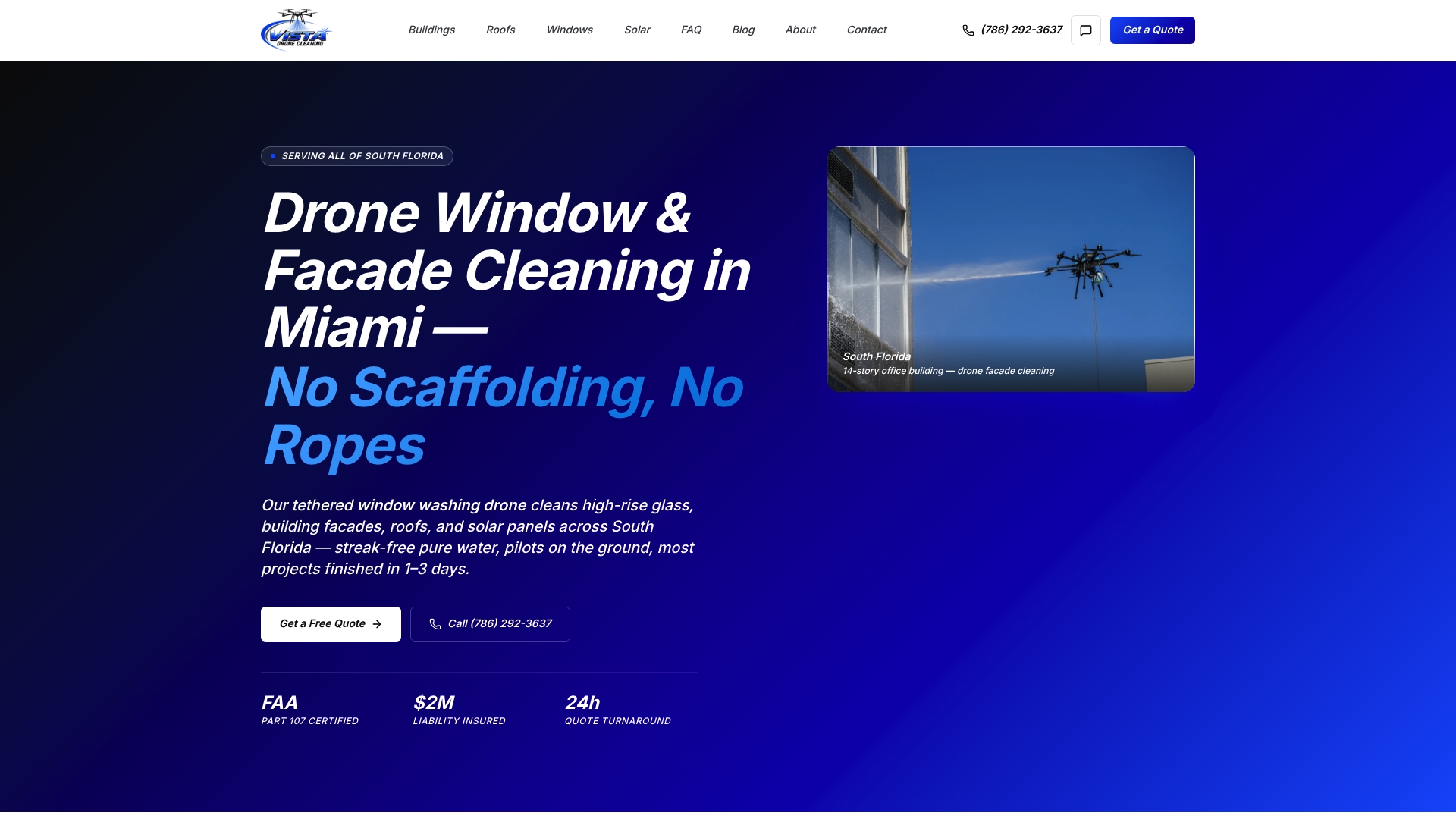
For building managers ready to align exterior maintenance with green building standards, Vistadronecleaning’s drone facade cleaning and drone window washing services provide a documented, chemical-free solution with no scaffolding, no road closures, and no permits required. Most projects complete in 1–3 days at 30–60% lower cost than traditional scaffold or lift methods. Request a free quote within 24 hours at vistadronecleaning.com.
FAQ
What is the definition of low-environmental-impact building cleaning?
Low-environmental-impact building cleaning is the use of safer certified chemicals and optimized methods that minimize harm to human health and the environment during cleaning operations. The EPA defines it through programs like Safer Choice and Design for the Environment, which verify ingredient safety and reduce ecological risk.
Which certifications should building managers look for in green cleaning products?
EPA Safer Choice and Design for the Environment (DfE) are the two most reliable certifications for verifying that cleaning products meet strict safety and environmental standards. Both programs evaluate every ingredient in a formula, not just the active cleaning agent.
Does pure water cleaning actually work on high-rise windows and facades?
Pure water cleaning systems use reverse osmosis and deionized filtration to produce water that acts as a solvent, removing mineral deposits and biological film from glass and facade surfaces without detergent. The result is a streak-free finish with zero chemical runoff.
How much can green cleaning protocols reduce greenhouse gas emissions?
A 2025 MDPI life-cycle assessment found that green cleaning protocols reduce global warming potential by 49.6% to 53.3% compared to conventional methods, with pilot sites preventing 488 kg of CO2 equivalent emissions annually.
Is drone exterior cleaning compliant with South Florida environmental regulations?
Vistadronecleaning operates under FAA Part 107 certification and uses pure de-ionized water with no chemical additives, which aligns with Miami-Dade and Broward environmental discharge requirements for cleaning operations near coastal waterways.