Roof cleaning benefits every South Florida high-rise needs
Discover the roof cleaning benefits for South Florida high-rises! Protect your investment and enhance longevity with professional maintenance.
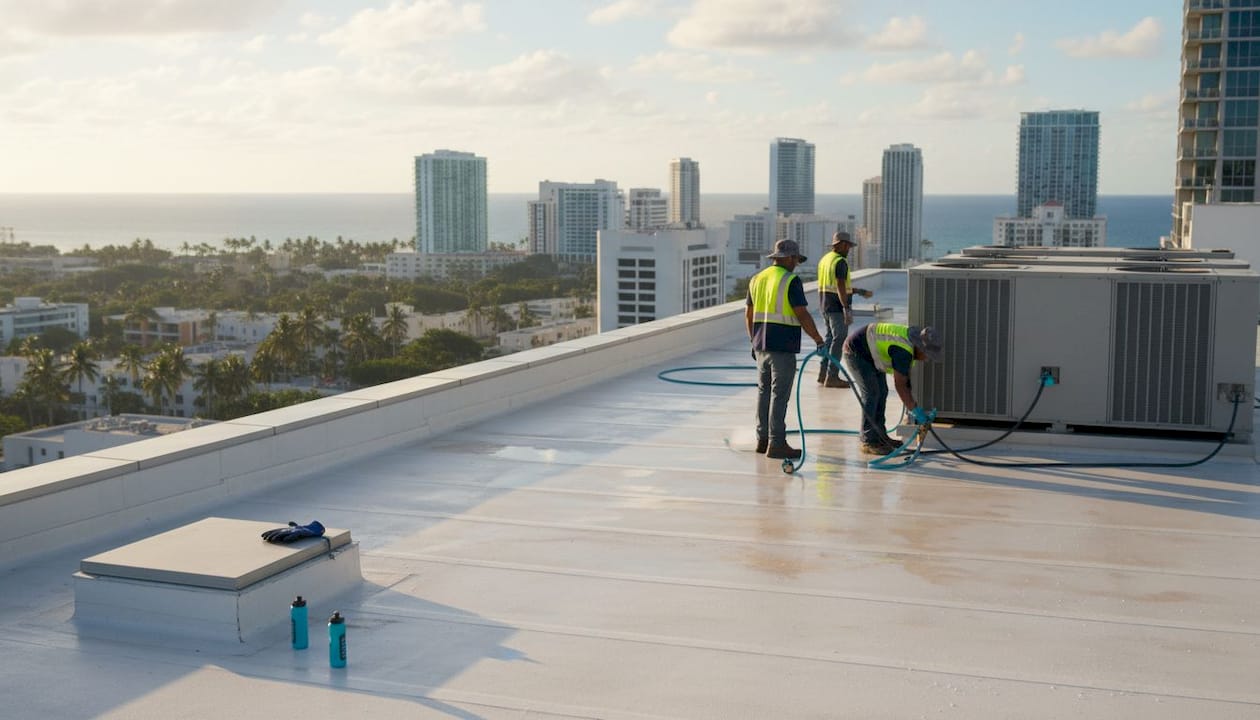
Managing a commercial high-rise in South Florida means battling one of the most aggressive environments on the planet. Salt air from Biscayne Bay, 80% humidity, hurricane-season debris, and rapid biological growth can turn a neglected roof into a liability. Regular, professional roof cleaning offers one of the highest maintenance returns for facility teams, utilizing modern methods that reduce disruption.
Table of Contents
- Why roof cleaning is essential for high-rise properties
- Major roof cleaning benefits for commercial properties
- Comparing roof cleaning methods: Drone soft wash vs. pressure washing
- Optimizing cleaning schedules for ROI and compliance
- A practical take: What really matters in roof cleaning for South Florida high-rises
- Discover efficient roof cleaning solutions for your high-rise
- Frequently asked questions
Key Takeaways
| Point | Details |
|---|---|
| Longevity boost | Regular cleaning can extend high-rise roof life by up to 30% in South Florida. |
| Cost savings | Early detection of issues reduces long-term maintenance expenses. |
| Improved compliance | Scheduled cleaning meets insurance and regulatory standards. |
| Operational uptime | Clean roofs prevent costly unplanned repairs and tenant disruptions. |
| Efficient methods | Drone soft wash is safer and faster for tall commercial roofs than traditional options. |
Why roof cleaning is essential for high-rise properties
South Florida is harsh on rooftops. Salt deposits accelerate metal corrosion and eat into membrane coatings. Humidity fosters algae, mold, and lichen that trap moisture against roofing materials. Annual storms deposit organic debris, sand, and pollutants, degrading systems faster than the national average.
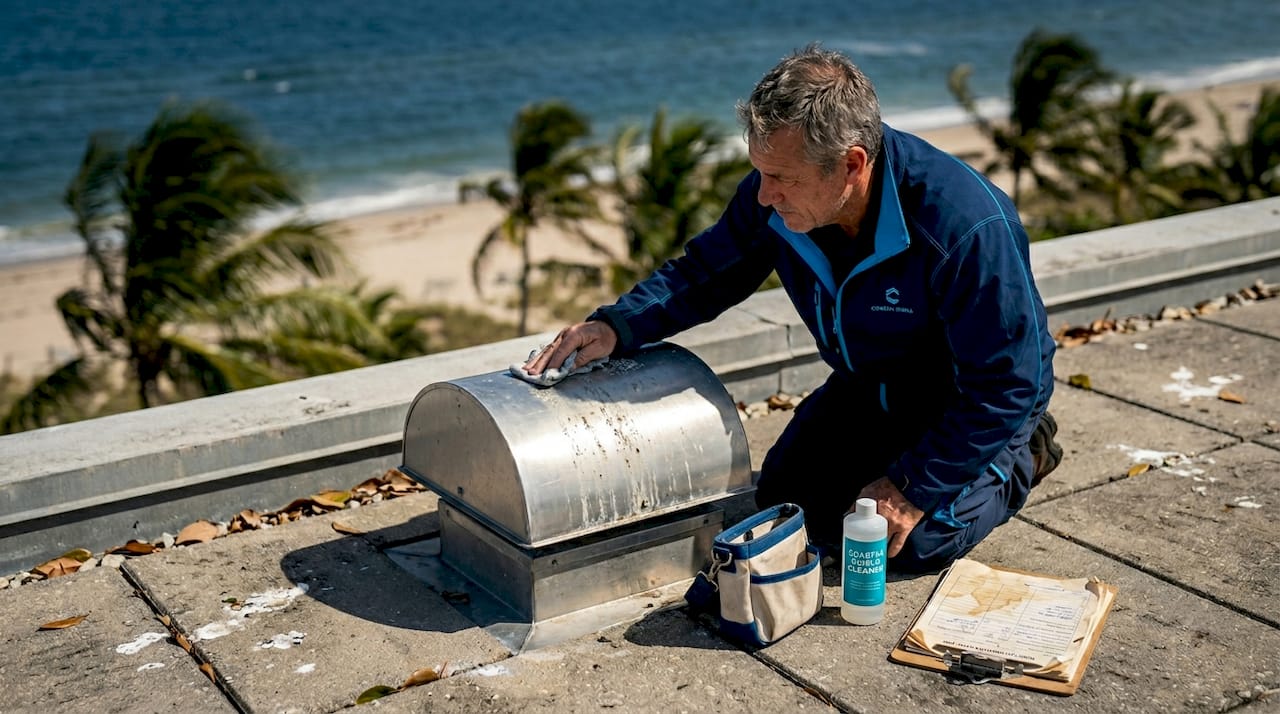
For property managers, the stakes exceed aesthetics. Clogged drains and debris lead to preventable water intrusion. A single leak in a multi-tenant high-rise can trigger business interruptions, equipment damage, and tenant turnover. Routine cleaning costs a fraction of emergency repairs or premature replacement.
High-rise managers prioritize roof care for three reasons:
- Compliance. Miami-Dade and Broward counties enforce exterior maintenance standards. Biological growth or debris can trigger violations.
- Warranty protection. Many commercial warranties require documented maintenance. Skipping service can void coverage.
- Insurance requirements. Insurers request maintenance records before renewing policies. Routine roof cleaning preserves materials and increases longevity, which impacts premiums.
"Roofs with consistent professional cleaning show lower rates of premature failure compared to those cleaned reactively."
Use a roof cleaning checklist to ensure no drainage point or flashing edge is overlooked. Pairing this with a building cleaning checklist lets you sync roof care with facade and window cleaning.
Pro Tip: Schedule your primary cleaning in November or December after hurricane season. You clear storm debris before the dry season and enter the next year with an inspected surface.
Major roof cleaning benefits for commercial properties
Regular cleaning is an asset protection strategy. Replacing a Miami high-rise roof can cost $15 to $25 per square foot. Multiplied across 30,000 square feet, this is a massive capital expenditure. Cleaning prevents the conditions that accelerate this timeline.
Core benefits for South Florida teams:
- Extended lifespan. Algae and lichen break down roofing material. Removing them stops chemical degradation and can add years of service. Studies show a 30% increase in longevity with preventive maintenance.
- Lower operating costs. Cleaning visits catch small flashing failures or seam separations before they become expensive. A $400 repair today beats a $40,000 remediation later.
- Energy efficiency. Biological growth absorbs heat. Clean white or light-colored membranes reflect solar energy, reducing HVAC load and utility costs.
- Curb appeal. A clean exterior signals operational excellence to current and prospective tenants.
- Reduced liability. Documented maintenance prevents arguments over premature failure claims or insurance payouts.
Use commercial roof cleaning solutions for multi-story buildings where access is difficult. Combining this with exterior maintenance tips improves every service visit.
Pro Tip: Include before-and-after photos in your annual insurance renewal. Documented history supports premium negotiations and simplifies claims.
Comparing roof cleaning methods: Drone soft wash vs. pressure washing
Choosing the wrong method for a high-rise creates risks: material damage, worker safety hazards, and tenant disruption. Best cleaning methods for roof types vary by material, height, and contamination.
| Factor | Drone soft wash | Traditional pressure washing |
|---|---|---|
| Access | Up to 200 feet; no scaffolding | Needs lifts or rope access |
| Speed | Most jobs finished in one day | Multi-day setup |
| Safety | No workers at height | High fall risk above 6 stories |
| Surface | Best for membranes, TPO, bitumen | Best for concrete or pavers |
| Cost | 30-60% lower than scaffolding | High mobilization/labor costs |
| Impact | Controlled water and runoff | High water volume; runoff issues |
When to choose drone soft wash:
- Building height exceeds 4 stories.
- Surface is TPO, EPDM, or modified bitumen.
- You need minimal disruption to street-level traffic.
- Documentation is required for compliance.
When traditional pressure washing applies:
- Ground-level concrete pavers or parking decks.
- Localized heavy staining requiring mechanical force.
- Small, easily accessible flat roofs.
Understanding drone vs. pressure washing helps you write better bid specs. Reference commercial roofing types to match methods to your materials.
Optimizing cleaning schedules for ROI and compliance
Treating roof cleaning as reactive is a mistake. A proactive program costs less over five years than emergency cycles.
- Audit the system. Identify material, age, condition, and warranty status.
- Factor in exposure. South Florida coastal properties need cleaning every 6-12 months. Inland buildings may last 12-18 months.
- Align with storms. Clean in November/December (after hurricane season) and inspect in April/May (before it begins).
- Sync with records. Time cleaning visits with insurance documentation deadlines.
- Evaluate ROI. The data usually shows a reduction in reactive repairs within two years.
5-Year Cost Projection (20,000 sq ft Miami Roof):
| Scenario | Frequency | 5-Year Cleaning | 5-Year Repair | Total |
|---|---|---|---|---|
| Reactive | As needed | $8,000 | $42,000 | $50,000 |
| Annual | 1x / Year | $18,000 | $18,000 | $36,000 |
| Bi-annual | 2x / Year | $28,000 | $8,000 | $36,000 |
| Optimized | Seasonal | $24,000 | $6,000 | $30,000 |
The optimized schedule provides the best cost-to-performance ratio and a solid paper trail. Follow the checklist for high-rises to ensure compliance.
Pro Tip: Require a written report and photo documentation after every visit. These are powerful tools during contested insurance claims.
A practical take: What really matters in roof cleaning for South Florida high-rises
The primary benefit of regular cleaning is operational uptime.
Unexpected roof failure causes immediate chaos: flooded mechanical rooms, offline elevators, and emergency contractor premiums. A clean, inspected roof fails on a known timeline. Knowing you have eight years of life remaining allows for accurate capital planning.
In refinancing or insurance renewals, South Florida properties face heavy scrutiny. Properties that produce years of consistent cleaning reports with photos move through audits faster.
Cleaning buildings without scaffolding removes the logistical friction of high-rise maintenance. When the method doesn't require street closures or multi-day setups, property managers can stop delaying service. Consistent drone soft wash programs correlate directly with fewer unplanned maintenance events.
Discover efficient roof cleaning solutions for your high-rise
Match your building's needs to the right service approach.
Exterior Drone Washing specializes in Miami roof cleaning for high-rises and commercial towers. Our FAA-certified teams finish most jobs in a single day with no scaffolding and full photo documentation. Review high-rise cleaning pricing or compare drone vs. pressure washing services. Contact us for a site evaluation and custom quote.
Frequently asked questions
How often should commercial high-rise roofs be cleaned in South Florida?
Every 6-12 months, usually after hurricane season when debris and biological growth are highest.
Is drone roof cleaning effective for all roof types?
Yes, it adapts well to TPO, EPDM, and other membrane systems where preserving the surface and warranty is critical.
Does regular roof cleaning help with insurance claims?
Yes. It provides a documented maintenance history for policy renewals and evidence of upkeep if a claim is contested.
Are there environmental benefits to drone cleaning?
It uses controlled water volume and biodegradable agents, reducing runoff compared to traditional pressure washing.
What is the main ROI benefit?
Extending the roof’s lifespan and eliminating emergency repairs, deferring large capital expenditures.