Pre-Occupancy Building Exterior Cleaning: A Property Manager's Guide
Discover what pre-occupancy building exterior cleaning is and why it’s essential for property managers in South Florida. Ensure a spotless move-in!
TL; DR:
- Pre-occupancy exterior cleaning removes construction residues that standard cleaning cannot eliminate before tenant move-in. Proper timing, surface-specific methods, and documentation are vital to pass inspections and avoid rework, especially with high-rise drone technology. Coordinating with contractors and scheduling within a narrow window ensure a smooth transition and higher property satisfaction.
Pre-occupancy building exterior cleaning is the targeted removal of construction residues from a commercial building’s exterior after all exterior work is complete but before tenant move-in or final inspection. This process differs from routine maintenance cleaning because it addresses chemically harder residues such as concrete splatter, mortar haze, paint overspray, and adhesive films that standard washing cannot remove. For property managers overseeing commercial projects in Miami, Fort Lauderdale, Boca Raton, or anywhere across South Florida, understanding what is pre-occupancy building exterior cleaning determines whether your building passes inspection on the first walkthrough or faces costly rework.
What is pre-occupancy building exterior cleaning?
Pre-occupancy building exterior cleaning is the final punch-list phase that removes construction residues from every exterior surface before occupancy handoff or inspections. The industry term for this work is “post-construction exterior cleaning, ” and property managers will encounter both phrases when sourcing contractors. The key distinction from routine cleaning is the target: construction byproducts that bond chemically to surfaces rather than surface-level dirt or biological growth.
This type of cleaning covers glass, window frames, masonry, stucco, EIFS panels, painted surfaces, and metal cladding. Each surface type carries its own contamination profile after a construction project. A glass curtain wall in Brickell will collect mortar haze and adhesive sticker residue from protective films. A stucco facade in Coral Gables may carry paint overspray and concrete splatter from nearby trade work.
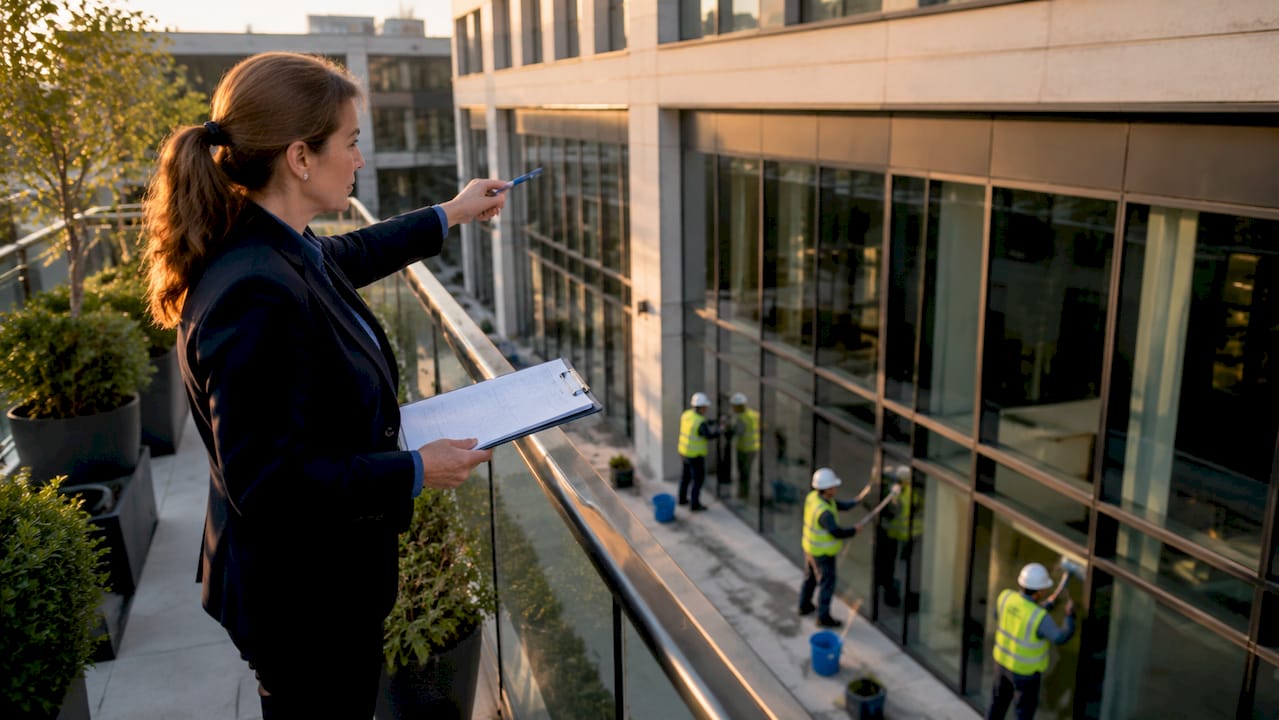
The importance of exterior cleaning at this stage goes beyond aesthetics. Inspectors check for adhesive residue on window frames, dust in tracks, and paint marks as part of occupancy readiness checklists. Failing these checks delays the certificate of occupancy and pushes back tenant move-in dates.
What contaminants are typically removed during pre-occupancy exterior cleaning?
Construction residues fall into four main categories, each requiring a different removal approach.
- Concrete splatter and mortar haze. Cured concrete bonds to glass and masonry surfaces and resists standard pressure washing. Mortar haze leaves a white film across large surface areas, particularly on brick and stone facades.
- Paint overspray. Spray painting operations during construction deposit fine mist on adjacent surfaces, including windows, frames, and metal panels. The longer it cures, the harder it is to remove.
- Adhesive sticker residue. Protective films on windows and cladding panels leave behind adhesive deposits when removed. These attract dirt and create visible streaks.
- Caulk smears and sealant residue. Excess sealant applied during glazing or facade work leaves irregular deposits on glass and frames.
Construction residues are chemically different from routine dirt. They are more adhesive and require targeted chemical formulations with longer dwell times. Using the wrong cleaning chemistry risks surface damage or incomplete removal. That is why experienced contractors test cleaning agents on a small, inconspicuous area before treating the full facade.
Pro Tip: Ask your cleaning contractor for a written surface assessment before work begins. A contractor who cannot identify the specific residue types on each surface is not equipped to clean them correctly.
Removing residues from window frames, sills, and tracks is as critical as cleaning the glass itself. Neglecting these areas is a frequent source of walkthrough failures and reflects inadequate cleaning preparation.
How are different exterior surfaces cleaned effectively during pre-occupancy cleaning?
The building exterior cleaning process requires matching the cleaning method to both the surface material and the contaminant type. Using the wrong method causes permanent damage. The table below outlines the standard approach.
| Surface type | Recommended method | Key consideration |
|---|---|---|
| Glass and glazing | Chemical cleaning + pure water rinse | Avoid abrasive tools; test for mortar haze first |
| Stucco and EIFS | Soft washing | High pressure damages EIFS coatings permanently |
| Painted surfaces | Low-pressure soft wash | Confirm paint cure time before applying chemicals |
| Masonry and concrete | Pressure washing + acid wash | Acid concentration must match contamination level |
| Metal cladding and panels | Chemical cleaning | Check manufacturer specs to avoid oxidation |
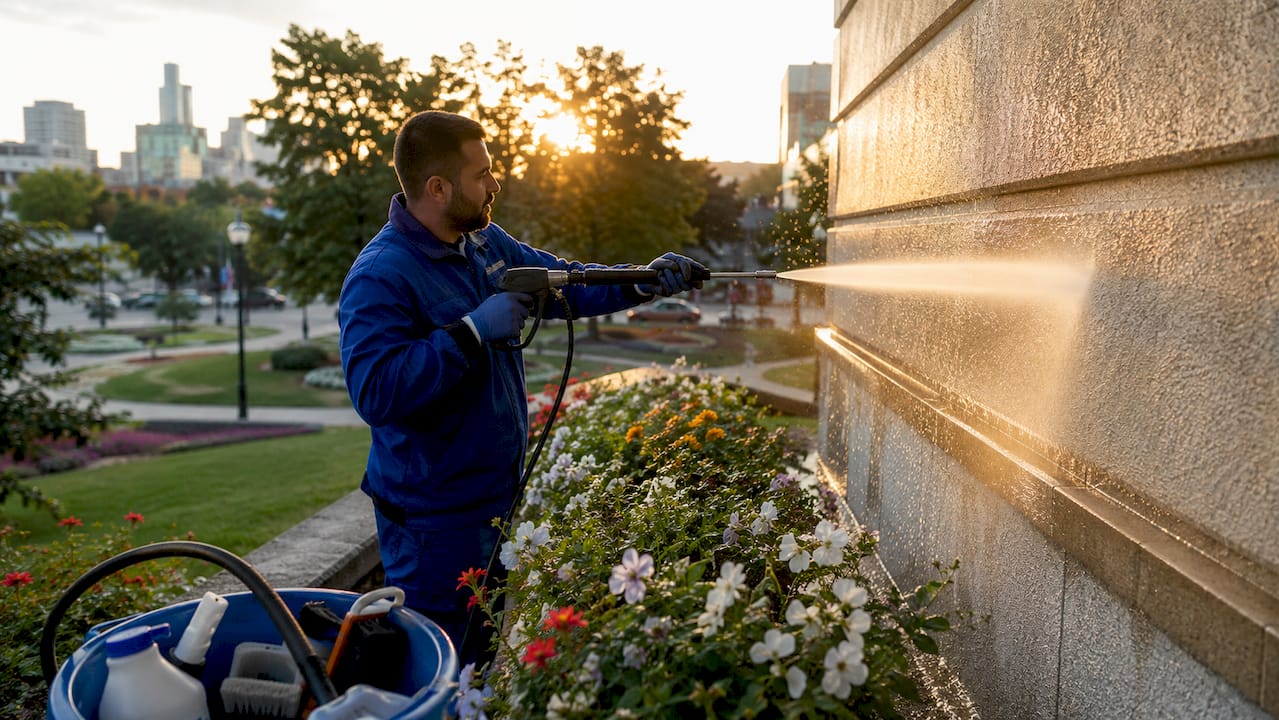
Exterior cleaning methods vary by surface and contamination type. Pressure washing suits durable surfaces like concrete and masonry. Soft washing protects sensitive painted or EIFS surfaces. Chemical cleaning handles specialized stains that water pressure alone cannot dislodge.
Industry practitioners prepare cleaning method matrices that outline suitable approaches by surface type and contaminant. This structured planning prevents damage and speeds up the overall cleaning timeline. For a commercial high-rise in Fort Lauderdale with mixed glass, stucco, and metal panel cladding, a single cleaning method applied across all surfaces will either damage the softer materials or fail to remove residues from the harder ones.
Pro Tip: Request a surface-specific cleaning plan from your contractor before signing any agreement. A single-method approach on a mixed-material facade is a red flag.
Facade cleaning focuses specifically on vertical building surfaces and uses specialized equipment and products to protect finishes. In South Florida’s humid, coastal environment, this distinction matters because salt air and humidity accelerate surface degradation when residues are left in place.
Why is timing critical for pre-occupancy exterior cleaning in South Florida commercial projects?
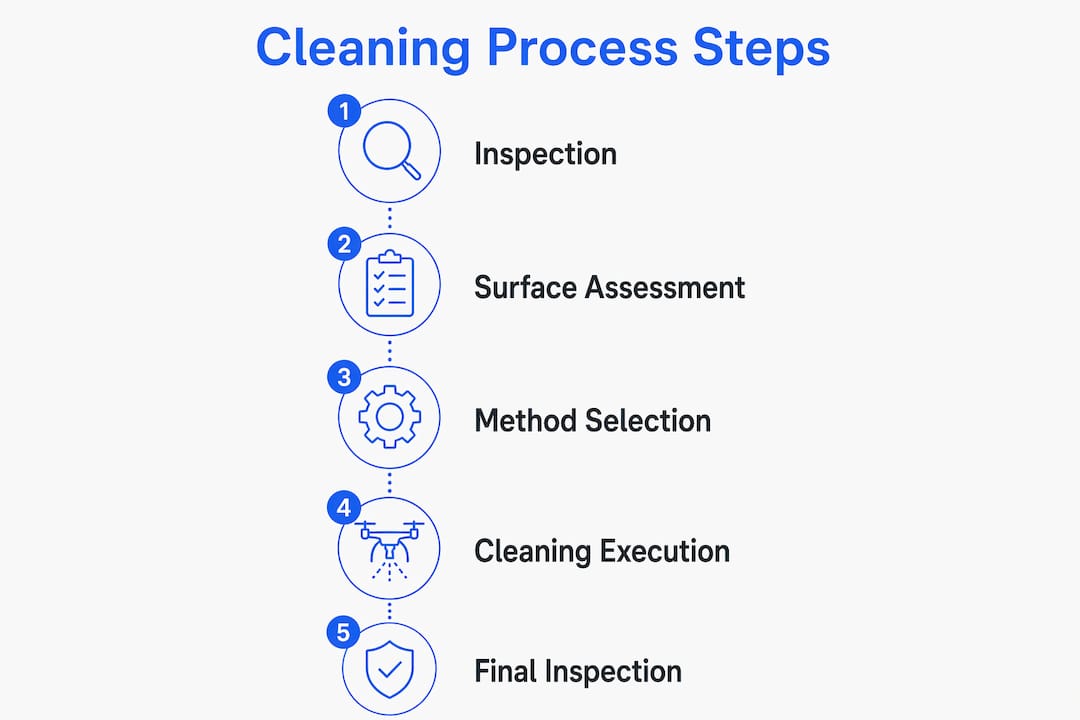
Timing the building exterior cleaning process incorrectly is one of the most expensive mistakes a property manager can make. Cleaning too early means punch-list trade work re-soils the surfaces, forcing a second full cleaning cycle. The correct sequence follows four steps.
- Confirm all exterior trade work is complete. Glazing, caulking, painting, and facade installation must all be finished before cleaning begins. A single trade returning after cleaning can undo an entire day of work.
- Coordinate directly with the general contractor. Scheduling cleaning after final trade work and before walkthrough inspections avoids situations where cleaning is undone by punch-list activities. Build this coordination into the project closeout plan, not as an afterthought.
- Account for South Florida weather windows. Miami-Dade and Broward counties experience afternoon thunderstorms from june through october. Schedule cleaning in morning windows and confirm the forecast. Rain immediately after chemical application can dilute treatments before they work.
- Align cleaning completion with the inspection date. Misaligning cleaning schedules with final construction activities wastes cleaning efforts and reduces quality. Build a buffer of at least two business days between cleaning completion and the scheduled inspection.
South Florida’s salt air environment adds an additional timing pressure. Coastal properties in Miami Beach, Aventura, or Pompano Beach accumulate salt deposits quickly. Cleaning too far in advance of the inspection date means the facade may show new salt haze by the time inspectors arrive.
What role does pre-occupancy exterior cleaning play in property inspections and tenant satisfaction?
Pre-occupancy exterior cleaning quality directly impacts occupancy timelines. Inspectors treat cleaning completeness as a checklist item during final walkthrough inspections, and failures trigger re-inspections that delay the certificate of occupancy.
The most common inspection failures related to exterior cleaning include:
- Adhesive residue remaining on window frames and glass edges
- Dust and debris packed into window tracks and sill channels
- Paint overspray visible on metal frames or adjacent masonry
- Mortar haze left on brick or stone surfaces near entry points
- Caulk smears on glass panels at eye level
Properly addressing these exterior cleaning details is critical to pass walkthroughs and meet tenant expectations. A building that clears inspection on the first attempt saves the property manager the cost of a re-inspection fee, the delay in occupancy, and the reputational damage of presenting an unfinished product to a tenant.
Tenant satisfaction at move-in sets the tone for the entire lease relationship. A tenant who walks into a Boca Raton office tower and sees adhesive film on the lobby windows or paint marks on the facade forms an immediate impression of the property management team’s standards. Pre-occupancy exterior cleaning quality is often judged by inspectors and directly impacts occupancy timelines. Property managers should integrate cleaning as a key closeout milestone with documentation, including before-and-after photos that support inspection approval.
How can South Florida property managers incorporate drone technology into pre-occupancy exterior cleaning?
Drone cleaning technology addresses the most difficult challenge in pre-occupancy exterior cleaning: safe, thorough access to high-rise facades and rooftop surfaces without scaffolding or boom lifts. For commercial properties in Miami, Brickell, or Fort Lauderdale that exceed 10 stories, traditional access methods require permits, road closures, and significant lead time.
| Factor | Drone cleaning | Traditional scaffold or lift |
|---|---|---|
| Access to 200 ft facades | Yes, without rigging | Requires scaffold or boom lift |
| Permit and road closure | Not required | Often required |
| Project timeline | 1–3 days | Multiple weeks |
| Cost relative to scaffold | 30–60% lower | Baseline cost |
| Crew safety risk | Ground-based crew | Elevated work risk |
Drone cleaning technology offers safer, more efficient cleaning for high-rise facades and hard-to-access building exterior areas. Drones integrate directly into the pre-occupancy cleaning workflow by handling the facade and window surfaces while ground crews address lower-level areas, entry points, and hardscape.
For South Florida commercial properties, the speed advantage is significant. Most drone-assisted projects complete in 1–3 days. That compressed timeline fits cleanly into the narrow window between final trade completion and the scheduled inspection date. Vistadronecleaning uses FAA Part 107-certified pilots and tethered Lucid Bots Sherpa drones to deliver a streak-free, pure de-ionized water rinse on facades up to 200 feet tall across Miami-Dade and Broward counties.
Pro Tip: When evaluating drone cleaning contractors, confirm FAA Part 107 certification and $2M liability insurance before signing. Both are non-negotiable for commercial properties.
Key Takeaways
Pre-occupancy exterior cleaning is a specialized, sequenced process that removes construction residues from every building surface before inspection, and skipping or mistiming any step creates costly rework.
| Point | Details |
|---|---|
| Distinct from routine cleaning | Pre-occupancy cleaning targets cured construction residues that standard maintenance washing cannot remove. |
| Method must match surface | Using pressure washing on EIFS or stucco causes permanent damage; always match method to material. |
| Timing determines success | Schedule cleaning only after all exterior trade work is complete and within two business days of inspection. |
| Inspection details matter | Window tracks, frames, and sills are the most common walkthrough failure points; clean them thoroughly. |
| Drone cleaning fits high-rises | Drone-assisted cleaning cuts project time to 1–3 days and costs 30–60% less than scaffold methods. |
Why I think most property managers schedule this cleaning too late
The standard advice is to schedule pre-occupancy exterior cleaning as early as possible. I disagree with that framing entirely. Scheduling too early is the most common and costly mistake I see on South Florida commercial projects. A general contractor’s punch-list rarely ends on the day it is supposed to. One trade returns to adjust a window seal. Another crew touches up paint on the facade. Every one of those activities re-soils surfaces that were just cleaned.
The right approach is to treat cleaning as the last construction activity, not the second-to-last. That means having a direct conversation with the general contractor about the true completion date for all exterior trades, not the scheduled date. In my experience, those two dates are rarely the same on projects in Miami-Dade or Broward counties.
Surface-specific planning also gets underestimated. Property managers often accept a single-line proposal that says “full exterior cleaning” without specifying methods by surface type. On a mixed-material facade with EIFS panels, glass curtain walls, and metal cladding, that vagueness leads to either surface damage or incomplete residue removal. Demand a written cleaning method matrix before work starts. It takes a contractor 30 minutes to produce and saves you a re-inspection.
The last point I will make is about documentation. Cleaning completion should be treated as a formal closeout milestone with photographic evidence. Before-and-after photos of window tracks, frames, and facade panels give you proof of condition for the inspection and protect you if a tenant later disputes the building’s condition at move-in. That documentation habit costs nothing and pays off repeatedly.
, Eliot
Vistadronecleaning’s approach to pre-occupancy exterior cleaning in South Florida
South Florida property managers working against tight occupancy deadlines need a cleaning partner who can access every surface quickly, without the delays that come with scaffolding permits or road closures.

Vistadronecleaning serves commercial properties across Miami-Dade and Broward counties using FAA Part 107-certified pilots and tethered Lucid Bots Sherpa drones. The crew stays on the ground while the drone handles facades, windows, and rooftop surfaces up to 200 feet tall. Most projects complete in 1–3 days. Vistadronecleaning carries $2M liability insurance and delivers a streak-free pure de-ionized water finish on every surface. For a full comparison of drone versus traditional cleaning methods, see the drone vs. traditional cleaning breakdown. Request a free quote within 24 hours at Vistadronecleaning.
FAQ
What is the difference between pre-occupancy and routine exterior cleaning?
Pre-occupancy exterior cleaning removes construction residues such as cured concrete, mortar haze, and adhesive films that routine maintenance cleaning cannot address. Routine cleaning targets surface dirt, biological growth, and environmental deposits on an already-occupied building.
When should pre-occupancy exterior cleaning be scheduled?
Cleaning should be scheduled after all exterior trade work is fully complete and at least two business days before the final walkthrough inspection. Starting before trades finish risks re-soiling cleaned surfaces and forces a second cleaning cycle.
What surfaces must be cleaned before a certificate of occupancy inspection?
Inspectors check glass panes, window frames, sills, and tracks, along with facade surfaces including masonry, stucco, EIFS, and metal cladding. Window frames and tracks are the most frequent source of walkthrough failures.
Can drone cleaning be used for pre-occupancy exterior cleaning on high-rises?
Yes. Drone cleaning is well-suited to high-rise pre-occupancy work because it accesses facades up to 18 stories without scaffolding or boom lifts, completing most projects in 1–3 days at significantly lower cost than traditional access methods.
What documentation should property managers request after pre-occupancy exterior cleaning?
Request before-and-after photographs of all major surface areas, including window tracks, frames, and facade panels. This documentation supports inspection approval and protects the property manager if a tenant later disputes building condition at move-in.