11 min read

Condo Facade Cleaning: Resident Disruption Explained

Discover how condo facade cleaning resident disruption explained can enhance resident satisfaction. Learn about modern, efficient solutions today!

Condo Facade Cleaning: Resident Disruption Explained


TL;DR:

  • Drone-based facade cleaning significantly reduces resident disruption by completing projects in days instead of weeks and eliminating scaffolding. Clear communication and early notifications help manage resident expectations and lower complaints during cleaning. Proactive, scheduled drone cleaning maintains building value and avoids costly emergency repairs with minimal impact on residents.

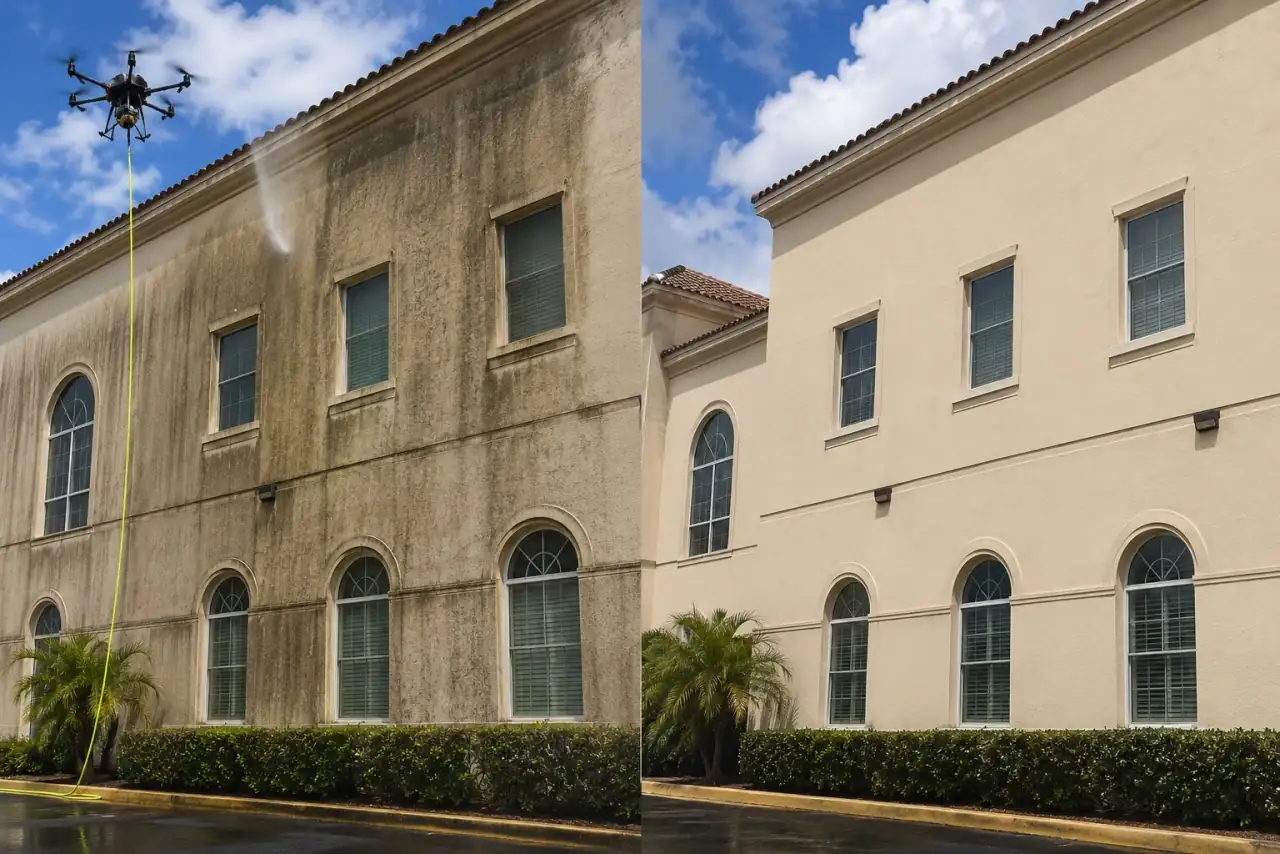
Condo facade cleaning resident disruption is defined as the measurable impact on resident comfort, access, and daily routine caused by exterior cleaning operations on occupied multi-unit buildings. For property managers and condo boards across Miami-Dade, Broward, and Palm Beach counties, this disruption is not optional to manage. It is a direct factor in resident satisfaction, board credibility, and long-term building value. Traditional scaffolding and boom-lift methods extend project timelines from days into weeks, creating prolonged noise, access restrictions, and safety exclusion zones that affect every floor. Modern drone-based cleaning, such as the approach used by Vistadronecleaning, compresses most projects to 1–3 days and eliminates the scaffolding footprint entirely, reducing the impact on residents during cleaning by a significant margin.

What causes resident disruption during condo facade cleaning?

Resident disruption during the condo exterior cleaning process falls into four main categories: noise, access restrictions, environmental exposure, and scheduling uncertainty. Understanding each one helps property managers set realistic expectations and plan around them.

Scaffolding and pressure washing at condo facade

Noise and vibration are the most immediate complaints. Pressure washing equipment, generators, and mechanical rigging all produce sustained noise that penetrates windows and walls. In South Florida’s dense high-rise corridors, from Brickell to Fort Lauderdale Beach, sound carries across balconies and through shared walls with little attenuation.

Access restrictions affect daily life in concrete ways. Scaffolding systems require ground-level staging areas that consume parking spaces, block building entrances, and close off pool decks or amenity areas for weeks at a time. Residents on lower floors may find their balconies sealed off entirely during facade cleaning procedures for condos using traditional rope access or swing-stage rigs.

Environmental exposure is a less-discussed but serious concern. Exterior cleaning generates airborne dust, water overspray, and in some cases chemical odors from detergent-based wash systems. Continuous water suppression is recommended by health experts to control fugitive dust during heavy exterior work. That standard is rarely met by traditional cleaning crews working at height.

Scheduling uncertainty compounds all of the above. South Florida’s weather, with afternoon thunderstorms from june through october, forces frequent work stoppages. Each delay extends the project timeline and prolongs every disruption category simultaneously.

  • Noise from pressure equipment and generators
  • Blocked parking, entrances, and amenity areas
  • Balcony and window access restrictions on affected floors
  • Airborne dust and water overspray entering units
  • Chemical odors from detergent-based cleaning agents
  • Repeated schedule changes due to weather delays

Pro Tip: Document every disruption category before the project starts. A pre-cleaning resident survey gives you a baseline and shows residents their concerns were recorded before work began.

How does drone cleaning reduce the impact on residents?

Infographic comparing traditional scaffolding and drone cleaning disruption

Drone-based facade cleaning operates on a fundamentally different footprint than scaffolding or boom-lift methods. The crew stays on the ground. No rigging attaches to the building. No swing stages block balconies. The result is a shorter, quieter, and far less intrusive process for everyone living in the building.

Drone cleaning technology uses tethered industrial drones, such as the Lucid Bots Sherpa operated by Vistadronecleaning, to deliver both high-pressure water spray and soft-wash techniques depending on the facade material. Glass curtain walls, EIFS stucco, metal panels, and painted concrete each require different pressure settings and detergent concentrations. A drone system adjusts those parameters in real time without repositioning scaffolding or moving a boom lift.

Drone facade cleaning reduces total project time from weeks to 1–3 days and cuts facade maintenance budgets by 40–60% compared to traditional scaffold methods. Shorter project time directly translates to fewer days of noise, fewer days of restricted access, and fewer resident complaints filed with the board.

The table below compares the resident impact of traditional scaffolding versus drone-based cleaning across the key disruption categories.

Disruption factor Traditional scaffolding Drone-based cleaning
Project duration 2–6 weeks 1–3 days
Ground-level obstruction Significant (staging, barriers) Minimal (ground crew only)
Balcony access restrictions Yes, per floor during work No
Noise level High (generators, rigging) Low to moderate (drone motors)
Road or parking closures Often required Not required
Permit requirements Frequently required Not required

Vistadronecleaning operates with FAA Part 107-certified pilots and carries $2M liability insurance, which matters to boards reviewing contractor compliance before signing off on any exterior work.

Scheduled drone cleaning also prevents the buildup that triggers emergency repairs. Emergency facade repairs cost 3–5 times more than regular maintenance and cause significantly higher resident disruption during reactive emergency mobilization. Proactive cleaning on a fixed annual or biannual schedule keeps the building clean, avoids defect escalation, and keeps residents informed well in advance.

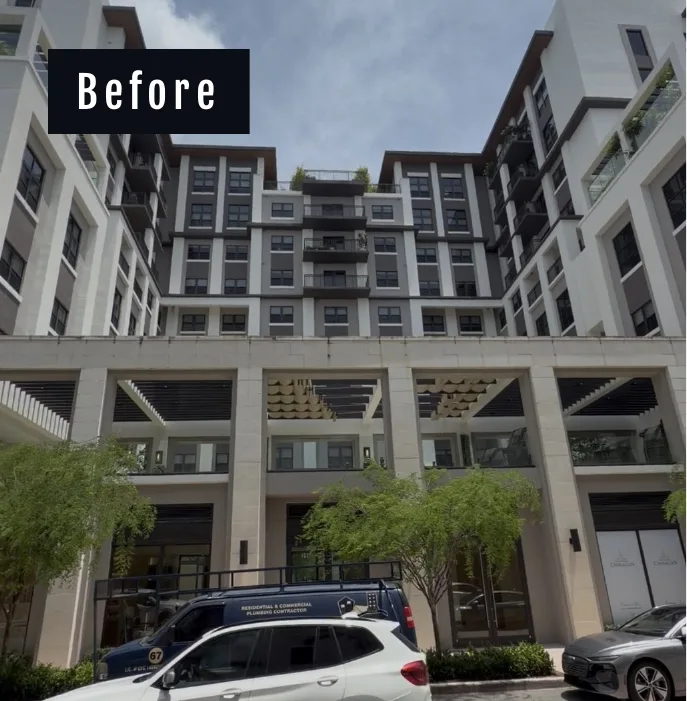
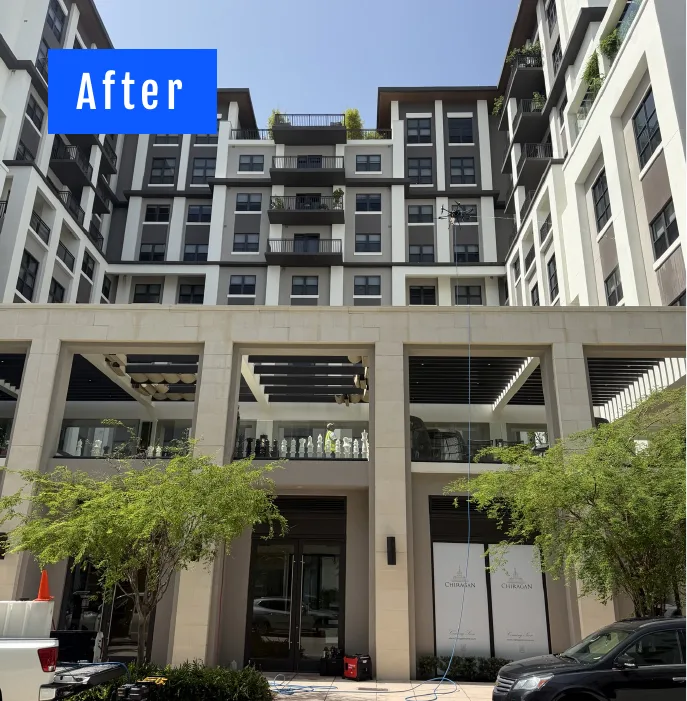
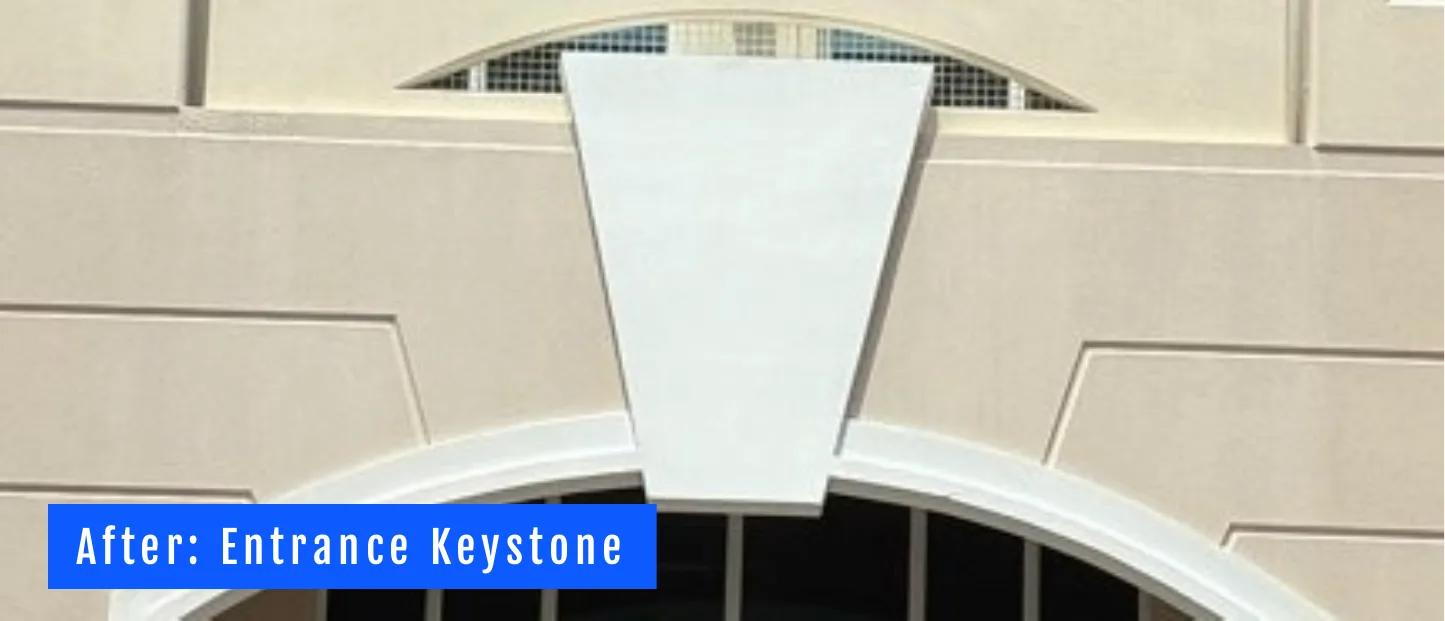
Pro Tip: Ask your cleaning contractor for a before-and-after photo report after every project. Boards can share this with residents to demonstrate the value of the work and build support for the next cleaning cycle.

How to manage resident disruptions during facade cleaning projects

Clear communication is the single most effective tool for reducing perceived disruption. Early notification and method explanation reduce resident complaints in multi-residential buildings more reliably than any scheduling adjustment alone. Residents who understand what is happening, why it is happening, and how long it will last tolerate the process far better than those who receive no advance notice.

The following sequence gives property managers a repeatable framework for every facade cleaning project.

  1. Notify residents 2–3 weeks in advance. Send a written notice by email and physical posting. Include the start date, estimated duration, affected areas, and a contact name for questions.
  2. Explain the cleaning method in plain language. Residents do not need technical detail, but they do need to know whether scaffolding will block their balcony or whether a drone system will operate from the ground.
  3. Identify which floors or units face the most impact. Targeted communication to affected residents shows the board took their specific situation into account.
  4. Publish a daily work schedule. Post the planned work hours each morning. South Florida boards benefit from scheduling during cooler hours to reduce resident discomfort during the hottest parts of the day.
  5. Provide a dedicated update channel. A building app, group email thread, or posted notice board keeps residents informed without requiring them to call the management office.
  6. Share progress documentation. Mid-project and final photos show residents the work is proceeding as planned and producing visible results.
  7. Align with municipal inspection schedules. Miami-Dade and Broward counties have facade inspection requirements for buildings over a certain age and height. Coordinating cleaning with those inspection windows reduces the number of separate disruption events per year.

Transparency and documentation convert resident disruption into a positive perception of management competence. That shift in perception is the practical goal of every communication step above.

What misconceptions do residents have about facade cleaning?

Residents often assume that all exterior cleaning methods cause the same level of disruption. That assumption is incorrect, and correcting it early reduces resistance before the project begins.

The most common misconceptions property managers encounter include:

  • “The building will be inaccessible for weeks.” Traditional scaffolding projects can run that long, but drone-based cleaning typically wraps in 1–3 days with no ground-level barriers blocking entrances.
  • “Chemicals will enter my unit.” Vistadronecleaning uses a pure de-ionized water rinse as the final step, which leaves no chemical residue on glass or facade surfaces. Soft-wash detergents, when used, are applied at low concentration and rinsed completely.
  • “The noise will be unbearable.” Drone motors produce a lower sustained noise level than scaffold generators or pressure-washing compressors running at ground level for hours.
  • “My balcony will be off-limits.” Drone systems operate without attaching to the building, so balcony access restrictions are not required during the cleaning window.
  • “This is just cosmetic.” Facade cleaning prevents hidden defects such as failed sealants from escalating into costly structural repairs. The maintenance function is as significant as the visual result.

Addressing these points directly in the pre-project resident notice removes the most common sources of complaint before they reach the board. Residents who receive accurate information before work begins are far less likely to file formal objections during the project.

Key Takeaways

Proactive facade cleaning with clear resident communication is the most effective way to minimize disruption and protect long-term building value in South Florida condos.

Point Details
Disruption has four main causes Noise, access restrictions, environmental exposure, and scheduling uncertainty each require a specific management response.
Drone cleaning cuts project time Drone-based methods complete most projects in 1–3 days versus weeks for scaffolding, reducing every disruption category.
Early communication reduces complaints Notifying residents 2–3 weeks in advance and explaining the method clearly lowers complaint rates more than any scheduling change alone.
Proactive cleaning prevents emergencies Emergency facade repairs cost 3–5 times more than scheduled maintenance and cause far greater resident disruption.
Documentation builds resident trust Before-and-after photo reports give residents visible proof of value and increase support for future cleaning cycles.

What I’ve learned managing facade projects in South Florida condos

After working with condo boards across Miami-Dade and Broward, the pattern I see most often is this: boards delay facade cleaning to avoid disrupting residents, and that delay creates a far worse disruption later. A deferred cleaning project becomes an emergency repair. An emergency repair brings in contractors on premium rates, with no advance notice to residents, and a timeline no one controls.

The boards that handle this best treat facade cleaning the same way they treat elevator maintenance. It goes on the annual calendar. Residents receive notice well in advance. The method is explained clearly, and the results are documented and shared. When drone cleaning is part of that cycle, the project is usually finished before most residents have fully processed the initial notice.

The shift I have seen in resident tolerance is real. When management explains that a drone crew will work from the ground for two days with no scaffolding and no balcony closures, the response is almost always neutral to positive. When residents receive no notice and wake up to a scaffold rig outside their window, the board hears about it for months.

The practical advice I give every property manager is to build the cleaning cycle into the annual budget before it becomes urgent. A building facade maintenance guide is a useful starting point for boards that have not yet formalized their exterior maintenance schedule. The cost of planning is always lower than the cost of reacting.

— Eliot

Facade cleaning for South Florida condos with less disruption

Vistadronecleaning serves condominiums across Miami-Dade, Broward, and Palm Beach counties with drone-based facade cleaning that keeps crews on the ground and projects on schedule.

https://vistadronecleaning.com

Most projects finish in 1–3 days with no scaffolding, no road closures, and no balcony access restrictions. Vistadronecleaning provides before-and-after photo documentation with every project, giving boards a ready-made communication tool for residents. FAA Part 107-certified pilots, $2M liability insurance, and free quotes within 24 hours make the compliance review straightforward. For a direct look at how drone cleaning compares to traditional methods on cost, timeline, and resident impact, the drone vs. traditional cleaning comparison page covers the key differences in detail.

FAQ

What is the biggest source of resident disruption during facade cleaning?

Access restrictions and noise from scaffolding and pressure equipment are the most common complaints. Drone-based cleaning eliminates scaffolding entirely and reduces noise to drone motor levels, which most residents find significantly less disruptive.

How far in advance should residents be notified about facade cleaning?

Notifying residents 2–3 weeks before the project start date gives enough lead time to address concerns and adjust schedules. Early notification is the single most effective step for reducing formal complaints during the project.

Does drone facade cleaning require balcony closures?

No. Drone systems operate without attaching to the building structure, so balcony access restrictions are not required. This is one of the primary reasons condo boards in South Florida are adopting drone cleaning over traditional swing-stage or rope-access methods.

How often should a South Florida condo schedule facade cleaning?

Most South Florida condos benefit from annual or biannual facade cleaning given the region’s salt air, humidity, and UV exposure. Scheduled cleaning also uncovers hidden defects like failed sealants before they escalate into emergency repairs that cost 3–5 times more to fix.

Can facade cleaning be scheduled to minimize disruption during peak hours?

Yes. Scheduling work during early morning hours or cooler parts of the day reduces resident discomfort and limits noise during peak activity windows. Drone cleaning’s short project duration makes it easier to complete the entire job within a narrow scheduling window.

Explore our services

Related drone cleaning services

#condo exterior cleaning process#impact on residents during cleaning#how to manage resident disruptions#facade cleaning procedures for condos#noise and disruption in facade maintenance#condo facade cleaning resident disruption explained
CallText Us