Roof Cleaning in Miami-Dade: What Property Owners Need
Ensure your home's longevity with professional roof cleaning in Miami-Dade. Protect against algae, mold, and harsh weather effects today!
TL; DR:
- Roof cleaning in Miami-Dade involves a regulated soft wash process that protects roofs from climate damage and biological growth. It is usually permit-exempt if under $2,000, but strict environmental rules govern chemical runoff to safeguard Biscayne Bay. Vistadronecleaning uses FAA-registered drones for efficient, eco-friendly roof cleaning across the region, reducing costs and minimizing disruption.
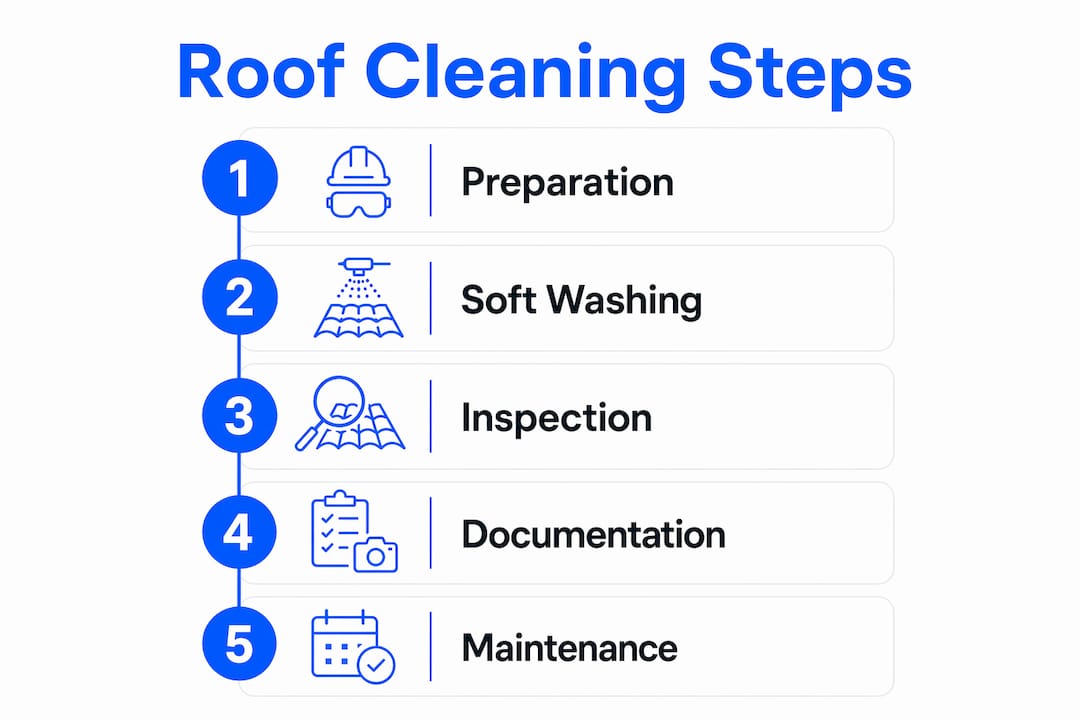
What professional roof cleaning in Miami-Dade actually involves
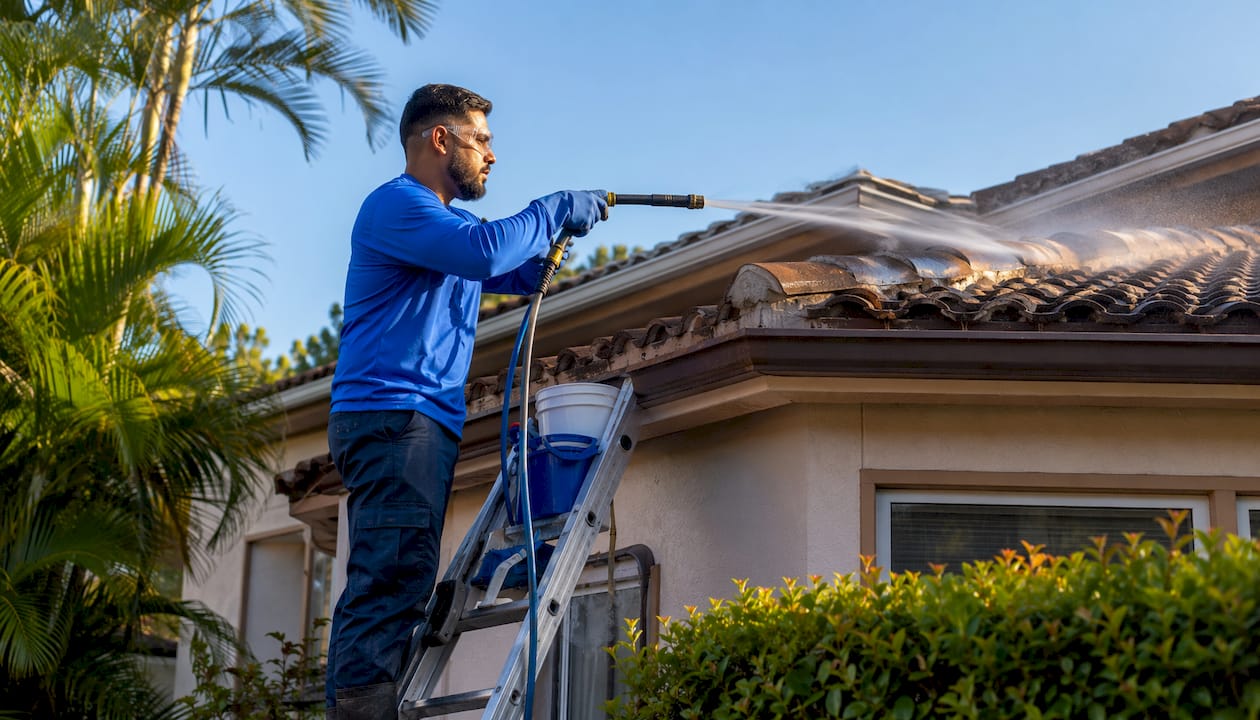
Roof cleaning in Miami-Dade means more than spraying water on a surface. It’s a regulated, method-specific process that protects your building from the subtropical climate’s relentless assault: intense UV, salt air off Biscayne Bay, and biological growth that accelerates year-round.
South Florida’s heat and humidity turn a neglected roof into a breeding ground for algae, mold, and lichen within months. Left unchecked, that biological growth traps moisture and escalates into structural failures, especially heading into hurricane season.
The right method depends on your roof type:
- Flat TPO/EPDM membranes (common on commercial high-rises and warehouses): soft wash only. High pressure voids warranties and damages seam integrity.
- Clay and concrete tile (Coral Gables, Coconut Grove): low-pressure wash with biodegradable solutions.
- Metal standing-seam roofs: pH-neutral chemistry to prevent corrosion of fasteners.
- Asphalt shingles: soft wash below 100 PSI using sodium hypochlorite-based solutions, per industry standard.
On the regulatory side, routine cleaning generally doesn’t require a permit under the Florida Building Code, provided no structural work is involved and costs stay below $2,000 in labor and materials. What does require strict compliance is chemical runoff. Miami-Dade enforces environmental protections governing chemical concentrations and disposal to protect Biscayne Bay’s marine ecosystem.
Pro Tip: Schedule roof washing between October and April, when temperatures drop slightly and humidity is lower. Cleaning during peak summer heat can accelerate chemical evaporation before it removes biological growth effectively.
Routine maintenance also pays financially. Scheduled preventative care defers full roof replacements and lowers total cost of ownership, making it a strategic asset decision rather than a reactive expense.
What to do right after a professional roof cleaning
A freshly cleaned roof is the best time to catch problems that biological growth was hiding. Walk the perimeter and check flashing, drip edges, and any penetrations around HVAC curbs or vents. Soft wash solutions remove algae at the root, but they don’t repair cracked sealants or lifted membrane edges.
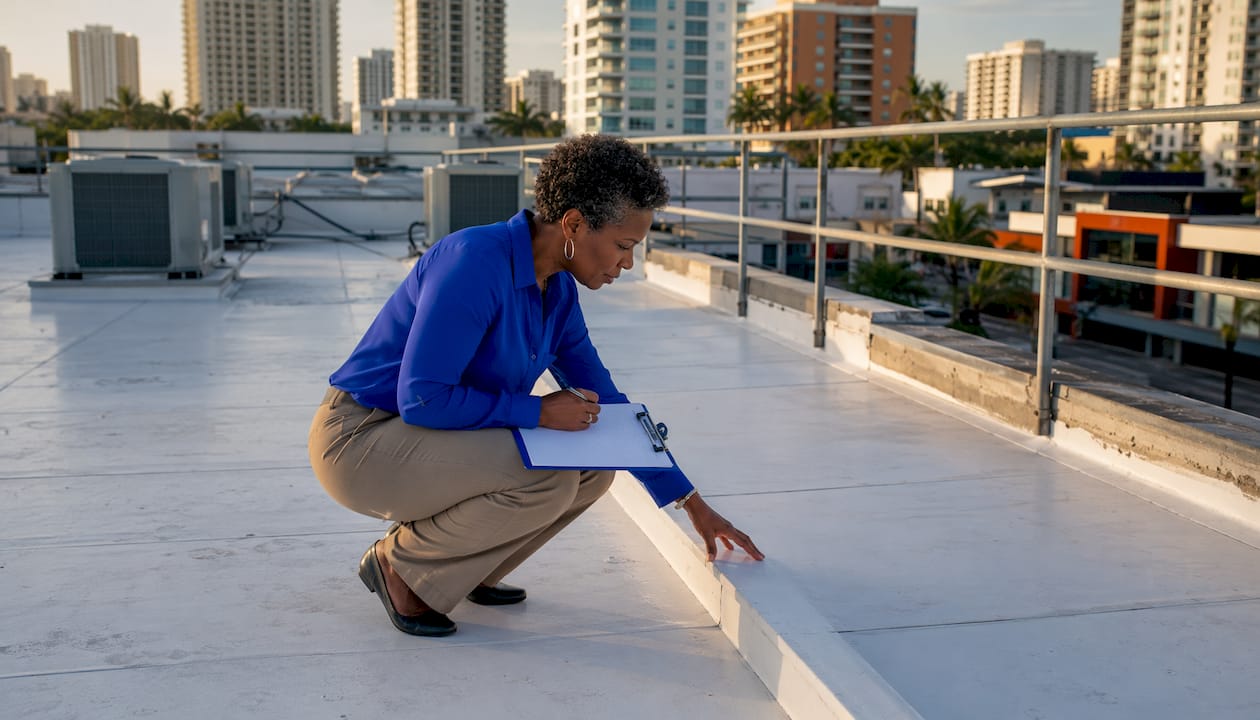
Comprehensive inspection reports are increasingly required by South Florida insurers for warranty enforcement and post-storm claims. Document everything with photos immediately after cleaning, before any new debris accumulates. If your property is in Miami-Dade or Broward, a post-storm follow-up inspection matters more here than in most other markets.
Pro Tip: Use maintenance tracking software to log inspection dates, photos, and contractor reports. Insurers and property managers both benefit from a clear maintenance timeline.
How to find a qualified roof cleaner in Miami-Dade
Licensing and insurance are non-negotiable. Any contractor applying biocidal solutions commercially in Florida may need a pesticide applicator license under FIFRA regulations, in addition to general contractor credentials. Ask for proof of both before signing anything.
Verify $1–2 million in commercial general liability coverage, which is the standard threshold for institutional and commercial properties. Confirm the contractor uses soft wash methods for membrane and shingle roofs, not just pressure washing rebranded as “low pressure.” A contractor who can’t explain the difference between TPO and EPDM cleaning protocols probably shouldn’t be on your roof.
Vistadronecleaning brings drone technology to Miami-Dade roofs
Ground crews. No scaffolding. No road closures. Vistadronecleaning uses FAA Part 107-certified pilots and Lucid Bots Sherpa tethered drones to deliver soft-wash roof cleaning on commercial properties up to 200 feet tall across Miami-Dade and Broward.
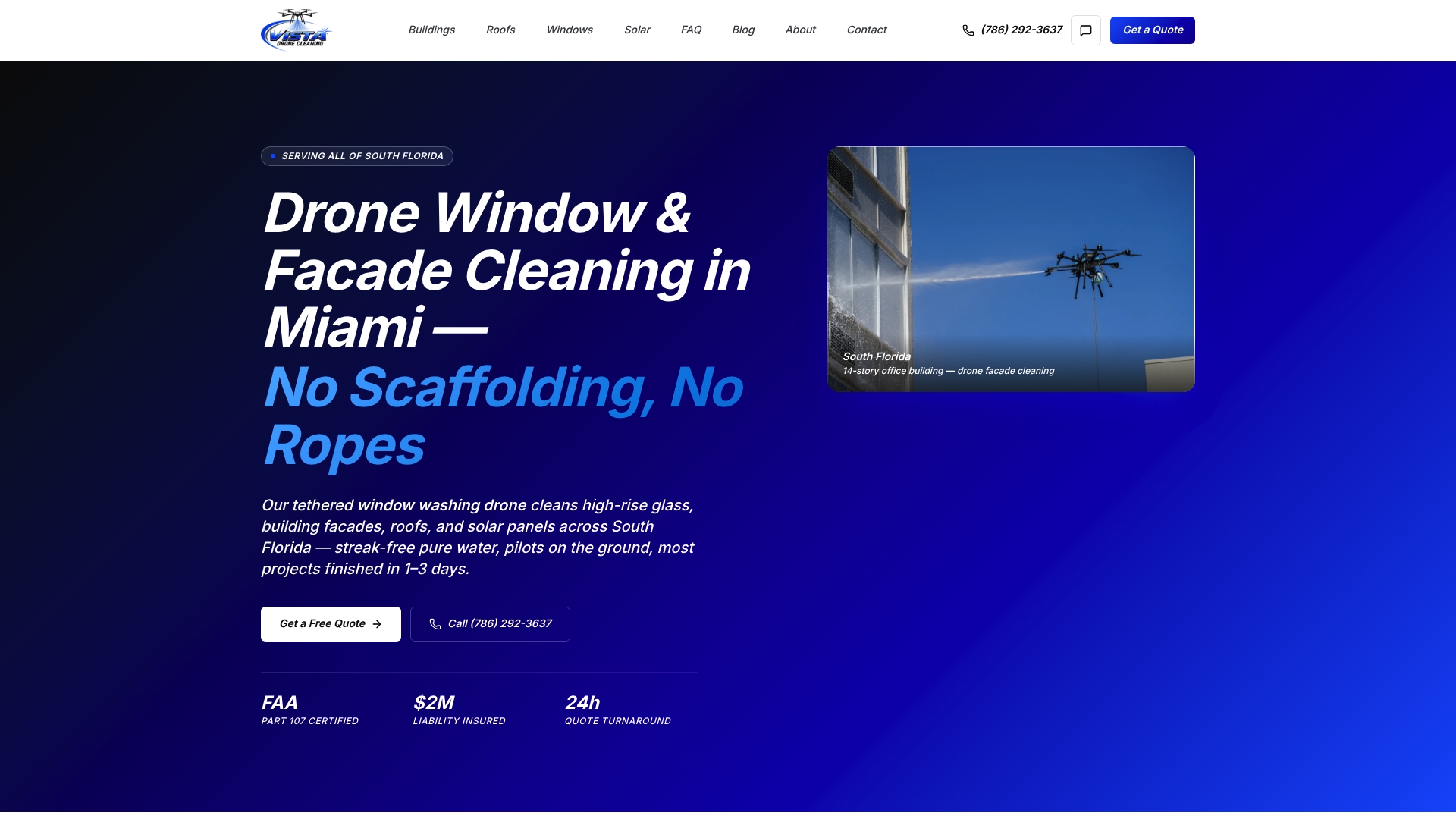
Projects typically finish in 1–3 days at 30–60% lower cost than traditional scaffold or lift methods. The drone applies solution precisely, reducing runoff risk and keeping chemical exposure well within Miami-Dade’s environmental guidelines. Vistadronecleaning carries $2 million in liability insurance and delivers free quotes within 24 hours. For high-rises in Brickell, condos in Aventura, or office towers in Plantation, drone roof cleaning is the faster, safer option.
Key Takeaways
Professional roof cleaning in Miami-Dade requires soft wash methods, environmental compliance, and post-cleaning documentation to protect both the building and its warranty.
| Point | Details |
|---|---|
| Soft wash is the standard | High pressure voids warranties on TPO, EPDM, and asphalt shingle roofs. |
| Permits rarely required | Routine cleaning stays permit-exempt under Florida Building Code below $2,000 in labor and materials. |
| Runoff compliance matters | Miami-Dade regulates chemical disposal to protect Biscayne Bay ecosystems. |
| Document after every cleaning | Insurers increasingly require inspection reports for warranty and claims compliance. |
| Vistadronecleaning | FAA Part 107-certified drone cleaning at 30–60% lower cost, no scaffolding needed. |
FAQ
Does roof cleaning in Miami-Dade require a permit?
Routine cleaning generally doesn’t require a permit under the Florida Building Code, as long as no structural work is involved and costs stay below $2,000 in labor and materials.
Why is soft washing preferred over pressure washing in Miami?
Soft washing applies solution below 100 PSI, which removes algae without damaging membrane seams or voiding manufacturer warranties, making it the correct method for most South Florida roof types.
How does drone roof cleaning reduce costs?
Vistadronecleaning’s Lucid Bots Sherpa drones eliminate scaffolding and lift rentals, cutting project costs by 30–60% compared to traditional access methods while keeping crews safely on the ground.
How often should commercial roofs in Miami-Dade be cleaned?
Most commercial roofs in South Florida benefit from cleaning every 1–2 years, with post-storm inspections after any significant weather event during hurricane season.