What Is Before-After Cleaning Documentation for Properties
Discover what is before-after cleaning documentation and how it protects your properties, enhances trust, and verifies service quality!

Most property managers treat before-and-after cleaning photos as an afterthought. A quick phone snapshot before the crew leaves is a costly mistake. Systematic documentation is a structured system of photographic evidence, condition reports, and signed acknowledgments. It protects your assets, verifies service quality, and builds owner trust. This guide covers how to build a reliable system that simplifies property management.
Table of Contents
- Key takeaways
- What before-after cleaning documentation actually is
- Technical standards for credible cleaning documentation
- How documentation improves workflows and stakeholder trust
- Real-world applications across property types
- Integrating digital tools and future trends
- My take on documentation as a property management asset
- Drone cleaning with built-in documentation for your properties
- FAQ
Key takeaways
| Point | Details |
|---|---|
| Documentation is a legal asset | Time-stamped, geotagged photos hold legal weight; casual snapshots do not. |
| Technical standards matter | Resolution, lighting, and consistent angles determine if photos serve as proof. |
| Workflow integration is vital | Documentation works only when built into every job process. |
| Trust and disputes | Records reduce pricing objections and resolve tenant disputes quickly. |
| Digital tools multiply impact | GPS-enabled platforms automate accuracy and create audit-ready records. |
What before-after cleaning documentation actually is
Before-after cleaning documentation records a property’s condition immediately before a service begins and immediately after it concludes. It includes photographic evidence, written condition reports, timestamped logs, and client sign-offs confirming work meets the agreed standard.
This is proof-of-service. If a tenant disputes a lobby cleaning or an owner questions a facade wash, documentation settles the conversation. For property managers, this system provides:
- Quality control: Comparing images across visits reveals patterns. If a stairwell looks identical in week one and week three, you have evidence to hold your contractor accountable.
- Dispute resolution: Tenant damage claims and insurance inquiries move faster with dated records. Time-stamped photographic evidence is the industry standard for commercial facility management.
- Stakeholder reporting: Building owners demand accountability. Professional documentation gives you concrete data for quarterly reviews.
Commercial leases often mandate specific cleaning standards. Documentation proves compliance, allowing you to catch contractor gaps before they become expensive liabilities.
Technical standards for credible cleaning documentation

Generic photos often fail as evidence due to poor resolution, inconsistent angles, or flash glares. These errors void the usefulness of the documentation. To ensure records hold up:
- Set resolution standards: Use 1200 to 2000 pixels. This shows stains, mold, or residue without creating oversized files.
- Control lighting: Use natural daylight or LED panels. Avoid direct flash, which creates artificial reflections that distort surface texture.
- Lock in angles: Match camera height, distance, and angle for both shots. Use a tripod or floor markers for recurring jobs.
- Geotag and timestamp: Enable GPS settings on cameras. Metadata provides the operational and legal validity required for proof.
- Name files descriptively: Replace "IMG_001.jpg" with "MiamiTower_Lobby_Before_2026-03-12.jpg" for better searchability.
- Get the sign-off: A formal signed acknowledgment after the walkthrough confirms acceptance and closes the liability loop.
Pro Tip: Laminate a one-page field guide with these standards for your crew leads. This prevents "standard drift" when contractors change.
How documentation improves workflows and stakeholder trust
Consistent records provide a searchable, audit-ready visual history. This shifts your reporting from verbal assertions to hard evidence. Industry pros find that pricing objections vanish once clients see a documented portfolio.
| Outcome | With documentation | Without documentation |
|---|---|---|
| Tenant disputes | Resolved with dated visual records | Prolonged and costly |
| Contractor oversight | Measurable photo comparison | Subjective verbal reports |
| Owner reporting | Concrete and credible | Summary-only |
| Insurance claims | Supported by timestamped evidence | Difficult to substantiate |
Making documentation a mandatory job step raises contractor performance. Embedding photos into the workflow creates a culture of accountability, reducing the need for constant on-site supervision.
Real-world applications across property types
Post-construction cleaning: This is high-stakes. Photo workflows protect property managers from being blamed for pre-existing construction damage and prove the scope was completed before tenant move-in.

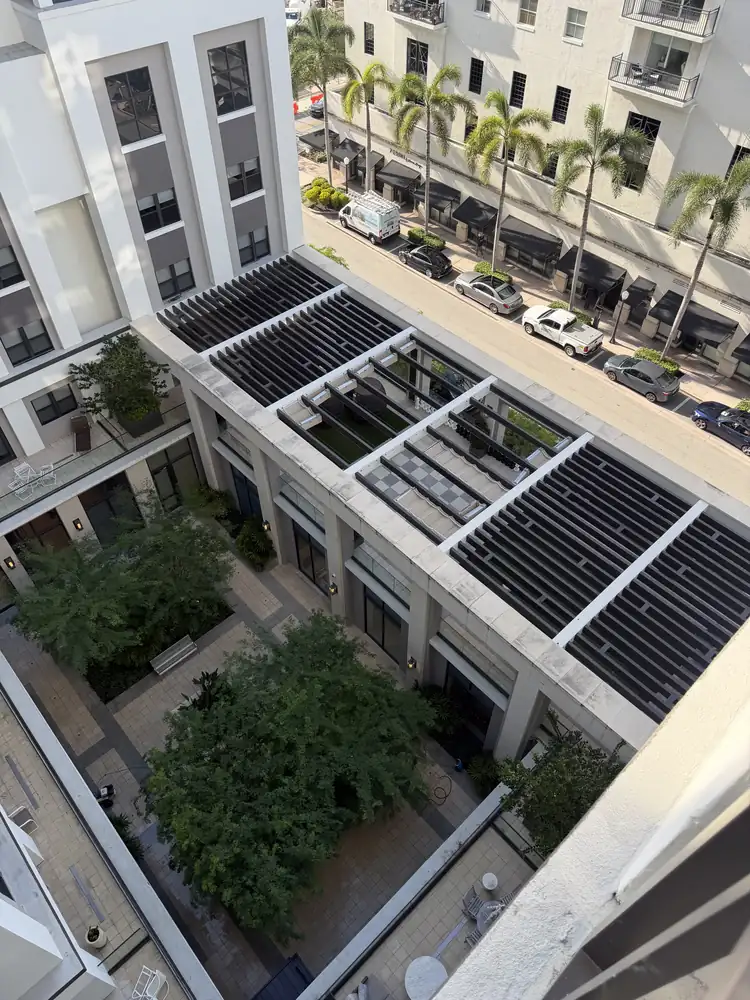
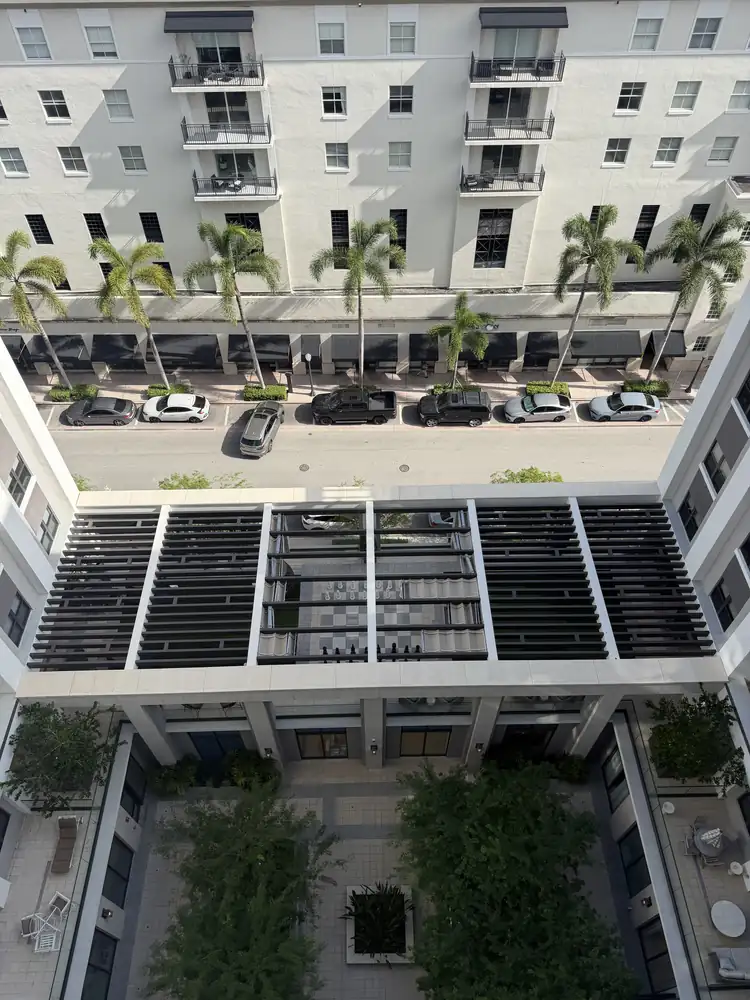
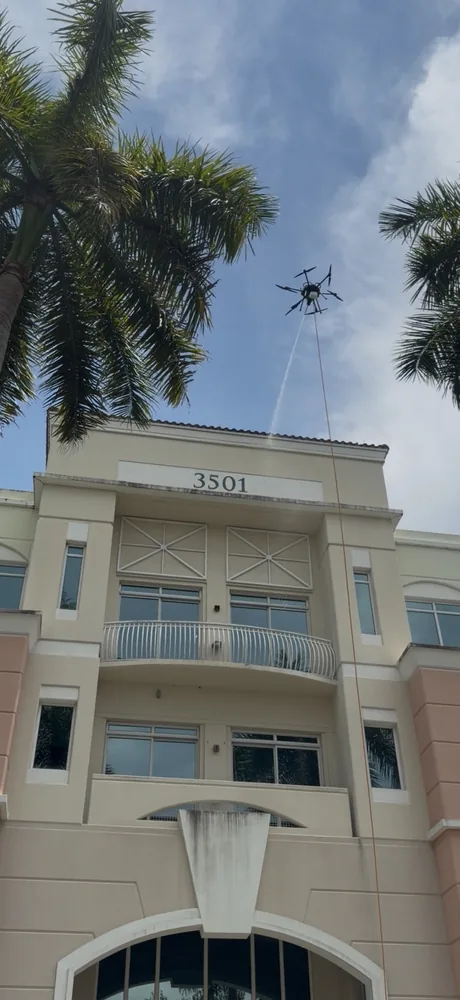
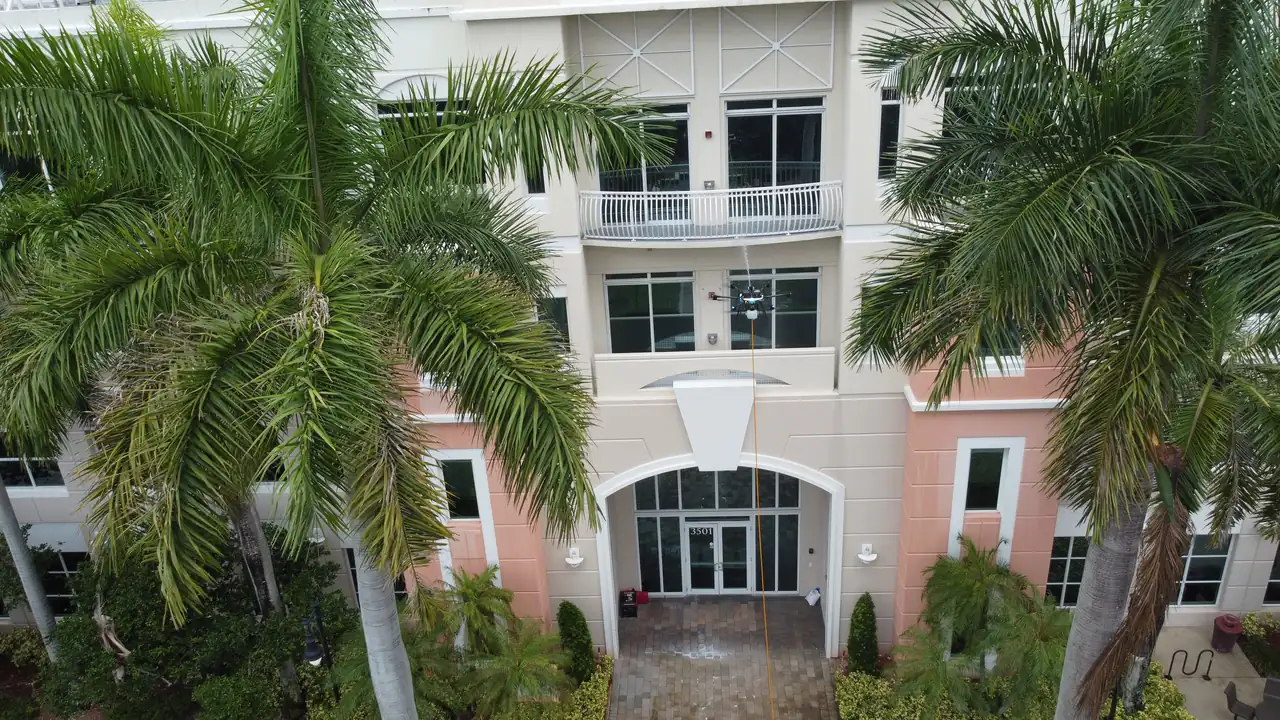
Commercial high-rises: Facades and windows need specific sequences. Drone-based workflows provide an advantage here, capturing photographic evidence from consistent aerial positions that humans cannot reach.
Tenant turnover: Photos overlapping with condition reports are the most effective tool for resolving security deposit disputes. They prove the exact state of the unit at the moment of vacancy.
Pro Tip: Take "before" photos within 24 hours of vacancy to ensure no conditions changed before the cleaning team arrived.
Integrating digital tools and future trends
Manual filing scales poorly. Digital platforms make documentation automatic. Companies using GPS-enabled tools report an 80% reduction in scheduling time. Look for platforms offering:
- Automatic tagging: Timestamps and GPS coordinates embedded in every photo.
- Job-linked storage: Images automatically attach to specific properties and dates.
- Audit trails: One-click export for insurance or legal reviews.
- Workflow blocks: The app prevents closing a job until photos are uploaded.
Drone imaging is the future for exterior work. A drone photographs a 20-story facade from identical coordinates every visit, producing consistency that ladders or lifts cannot match.
My take on documentation as a property management asset
Documentation isn't administrative overhead; it is trust at scale. Credibility with building owners relies on demonstrating accountability. Verifiable visual records do the talking.
Avoid the mistake of treating photos as optional when a job "seems" fine. Disputes arise unexpectedly. Standardized documentation also filters your contractors—those who resist transparency are rarely the partners you want long-term. Treat these records as the "receipts" for your building maintenance.
— Eliot
Drone cleaning with built-in documentation for your properties
Vista Drone Cleaning handles the documentation for you. Every commercial building cleaning job includes systematic aerial photography captured by industrial drones. We provide timestamped, high-resolution visual records of your building’s exterior before and after the wash.

For high-rises and hotels, Vista Drone Cleaning offers proof-of-service without the disruption of scaffolding. Document your entire exterior from angles no ladder can reach. Check our full drone cleaning service for your next project.
FAQ
What is before-after cleaning documentation?
It is a structured system of photographs, condition reports, and timestamps documenting a property's state before and after service to verify quality and resolve disputes.
Why does lighting matter for cleaning documentation photos?
Consistent lighting ensures accurate representation of color and texture. Poor lighting or heavy flash can hide residues or create misleading reflections.
How does documentation prevent tenant or contractor disputes?
It creates an objective record of condition. Disputes settled with photos are resolved quickly, whereas verbal disagreements are costly and difficult to settle.
What technical standards make cleaning documentation legally valid?
Photos must be time-stamped, geotagged, taken at consistent angles, and accompanied by a signed acknowledgment from the post-cleaning walkthrough.
How do digital platforms improve cleaning documentation workflows?
They automate metadata capture and organization, reducing administrative time while ensuring data accuracy for every job.